How to Clean Your Invisalign Aligners and Keep Them Clear and Odor-Free
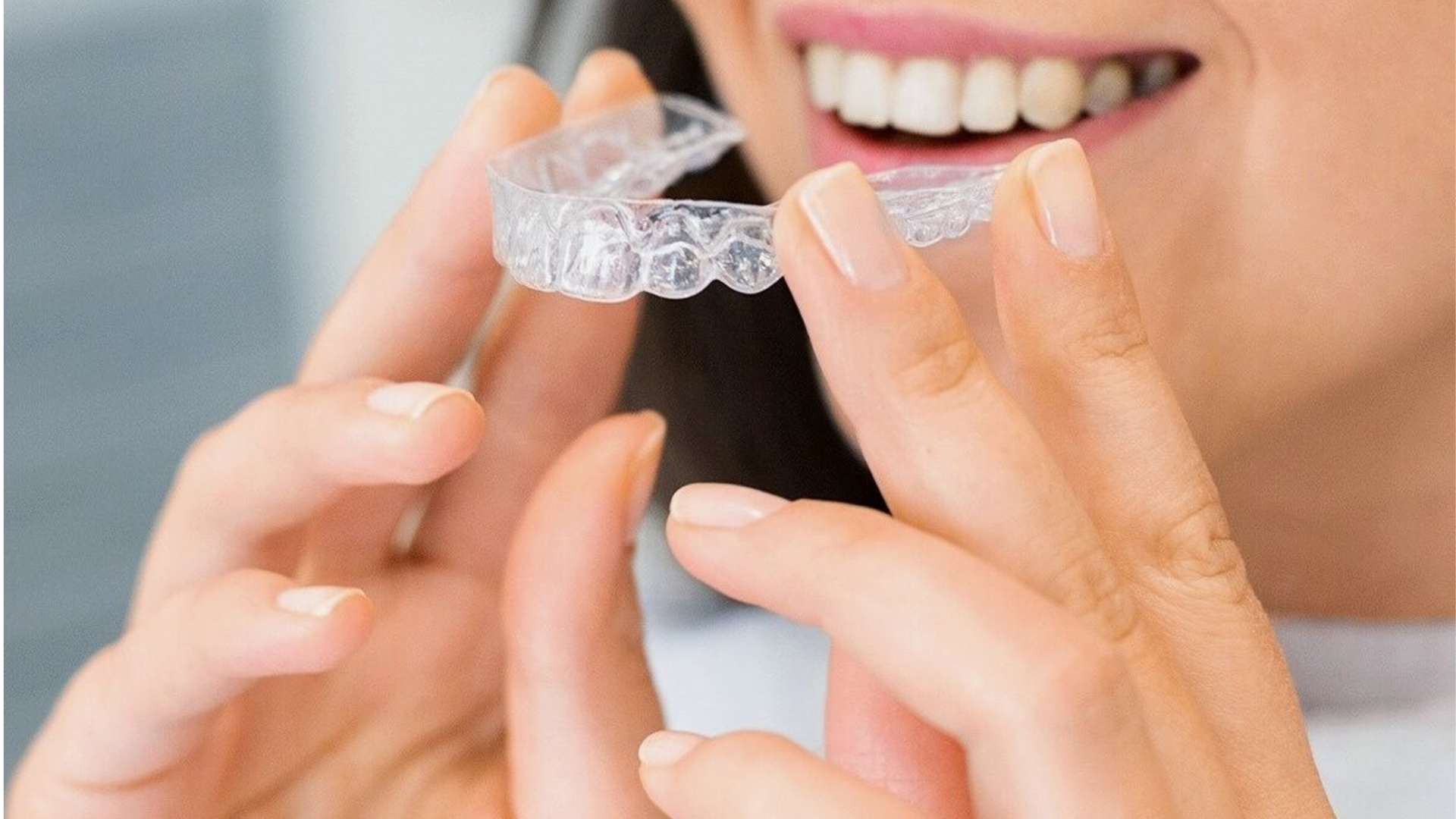
To keep Invisalign aligners clear and odor-free, rinse them every time they come out of your mouth, brush them gently once or twice a day with a soft toothbrush and clear, unscented soap, and soak them in an aligner cleaner a few times a week. Skip toothpaste, hot water, and colored soaps. They scratch, warp, or stain the plastic.
Clean Invisalign aligners by rinsing them in lukewarm water each time you remove them, brushing them gently with a soft toothbrush and a little clear, unscented soap, and soaking them for about 15 minutes in Invisalign Cleaning Crystals or a diluted vinegar solution. Rinse well, then store them in a ventilated case rather than a napkin.
Quick Answer: Think of your aligners like contact lenses for your teeth: rinse them whenever they're out, give them a gentle daily brush, and let them soak a couple of times a week so bacteria never get a chance to settle in.
Key takeaways
- Rinse aligners every single time they leave your mouth.
- Brush gently once or twice daily with a soft brush and clear soap.
- Deep-soak 2–3 times a week to lift stains and odor.
- Never use toothpaste, hot water, colored soap, or bleach.
- Take them out for everything but water, and always store them dry in their case.
Why cloudy, smelly aligners are so common
You slip your aligners out at lunch, and there it is: a faint cloudiness, maybe a smell you'd rather your coworkers didn't catch.
It's one of the most common things patients bring up at our Westwood practice, and the good news is that it's almost always preventable. A clean tray isn't just about looks, either; it protects the teeth underneath and keeps your treatment on schedule.
If you're new to treatment or still comparing your options, our clear aligners page walks you through the process, from the first scan to the final tray.
Why do Invisalign aligners turn cloudy and start to smell?
Invisalign aligners get cloudy and smelly because you wear them 20 to 22 hours a day, and that's plenty of time for saliva, plaque, and bacteria to build a thin film on the plastic. Left alone, that biofilm dries into a haze and starts to produce odor, a bit like morning breath, only sealed tightly against your teeth.
The plastic itself is the other half of the story. Invisalign trays are made from a smooth, nearly invisible material, and anything that scratches that surface gives bacteria more places to hide.
Clear aligners have become one of the fastest-growing corners of orthodontics; the global market was valued at roughly $8.29 billion in 2025, which means more people than ever are learning aligner care as they go. A quick, consistent routine is what separates trays that stay invisible from trays that go yellow by week two.
For the manufacturer's own care guidance,
Invisalign's official cleaning instructions are a useful reference alongside anything your dentist recommends.
How do you clean Invisalign aligners every day?
The daily routine is simple: rinse your aligners under lukewarm water every single time they leave your mouth, then brush them gently, inside and out, with a soft-bristled toothbrush and a dab of clear, unscented soap once or twice a day. Rinse again and pop them back in.
Here's the step-by-step:
- Wash your hands, then take your aligners out and rinse them under cool or lukewarm water to clear away saliva and loose debris.
- Brush them gently with a soft toothbrush kept just for this. A little clear, fragrance-free liquid soap works well. Use light pressure so you don't scratch the plastic.
- Rinse thoroughly so no soap taste lingers.
- Brush and floss your own teeth before the trays go back in, so you're not sealing food and bacteria against your enamel.
A dedicated brush matters more than people expect. Using the same brush you use on your teeth can transfer toothpaste, which is far too abrasive for aligner plastic.
How do you deep clean aligners and get rid of stains and odor?
For a deeper clean, soak your aligners two or three times a week for about 15 minutes. Invisalign Cleaning Crystals are the brand-made option, but a diluted white vinegar solution, diluted hydrogen peroxide, or a retainer-cleaning tablet all do the job. Brush lightly afterward and rinse well before wearing.
Different soaks suit different needs:
| Cleaning method | How to use it | Best for |
|---|---|---|
| Invisalign Cleaning Crystals | Dissolve one packet in lukewarm water, soak 15 min, rinse | Everyday deep cleaning, minimal effort |
| White vinegar + water (1:3) | Soak 15–20 min, brush gently, rinse very well | Lifting buildup and odor on a budget |
| Diluted hydrogen peroxide | Soak 15–20 min, rinse thoroughly | Bacteria and light discoloration |
| Retainer-cleaning tablets | Drop in lukewarm water, follow package timing | Convenience and travel |
One honest note on vinegar: it works, but the smell can linger. A short rinse in plain water afterward helps, and any faint scent fades quickly once the trays dry.
If stains keep coming back no matter how carefully you soak, that's usually a sign of what's going into your mouth while the aligners are in, which brings us to the habits that prevent the problem in the first place.
What should you never use to clean Invisalign?
Never clean Invisalign with toothpaste, hot water, colored or scented soaps, mouthwash, or bleach.
Toothpaste is abrasive and leaves micro-scratches that trap odor; hot water can warp the plastic and ruin the fit; and dyes and harsh chemicals discolor or weaken the trays. When in doubt, clear and lukewarm is the rule.
The short "avoid" list:
- Toothpaste: abrasive, scratches the surface.
- Hot or boiling water: warps the plastic and changes the fit.
- Colored or scented soaps: can tint the trays and leave residue.
- Mouthwash: the dyes and alcohol can stain and dry out the plastic.
- Bleach or harsh household cleaners: damage the material and aren't safe in your mouth.
Everyday habits that keep your aligners clear
The habits that matter most happen around wear, not just cleaning. Take your aligners out for anything but water, brush and floss before they go back in, always use a ventilated case instead of a napkin, and give them a quick rinse after coffee, tea, or red wine.
Coffee is the big one here in Westwood: a mid-morning cup with the trays still in is the fastest route to a yellow haze. If you can't rinse right away, at least swish with water.
A dry, protected case does two jobs: it lets the trays air out so odor doesn't develop, and it keeps them from getting tossed in the trash inside a napkin, which is one of the most common ways patients lose a set.
Frequently Asked Questions
How often should I clean my Invisalign aligners?
Rinse them every time they come out of your mouth, and gently brush them at least once or twice a day, ideally when you brush your own teeth in the morning and at night. Add a deeper soak two or three times a week to stay ahead of stains and odor.
Can I use toothpaste to clean my Invisalign?
No. Most toothpaste is abrasive and leaves tiny scratches in the plastic that make aligners look cloudy and trap bacteria that cause smell. Use a soft toothbrush with clear, unscented liquid soap instead, and save the toothpaste for your teeth.
Why do my Invisalign aligners still smell even after I rinse them?
Rinsing alone only removes loose debris, not the bacterial film that causes odor. If they still smell, add a 15-minute soak in aligner crystals or a diluted vinegar solution, then brush gently. Persistent odor usually means the trays need deeper cleaning more often.
Can I soak my aligners in mouthwash or denture cleaner?
Skip mouthwash; the dyes and alcohol can stain and dry out the plastic. A denture or retainer-cleaning tablet is fine occasionally, but products made specifically for clear aligners are gentler and designed to keep the trays clear rather than just disinfected.
How do I get cloudy Invisalign aligners clear again?
Soak them for 15–20 minutes in Invisalign Cleaning Crystals or a 1-to-3 white vinegar and water mix, then brush gently with a soft toothbrush and rinse thoroughly. If the cloudiness won't budge, the plastic may be scratched or near the end of its two-week life, and your next set will start fresh.
Is it safe to leave my aligners soaking overnight?
A short soak is all they need: 15 to 20 minutes is plenty. Long overnight soaks in acidic or harsh solutions can weaken the plastic over time, and any hours the trays spend out of your mouth are hours your treatment isn't progressing.
Trust & Authority
About the author: Dr. Joyce M. Truong, DDS. Better known as "Dr. Joyce," she has practiced general and cosmetic dentistry since earning her doctorate at the USC School of Dentistry in 2008, with a particular focus on clear aligners. She serves as a preclinical faculty member at USC and treats patients at Dr. Joyce Family & Cosmetic Dentistry on Westwood Blvd, caring for the Westwood and West Los Angeles community (90025).
Conclusion
Clean aligners come down to a few small, consistent habits: rinse often, brush gently with the right products, soak a couple of times a week, and keep toothpaste, heat, and dyes far away from the plastic. Do that, and your trays stay clear, comfortable, and on track from the first set to the last.
Thinking about starting Invisalign, or want a professional to look at aligners that already seem cloudy? Schedule your consultation with our Invisalign Westwood team: call (310) 470-7200 or request an appointment online.
Disclaimer: The information provided on this page is for general educational purposes only and is not intended to replace professional dental advice, diagnosis, or treatment. Invisalign treatment outcomes, timelines, and costs vary based on individual needs and oral health conditions. A consultation with a licensed dentist is required to determine whether Invisalign is appropriate for you. Always follow the guidance of your dental professional regarding your specific treatment plan.