Clear Aligners vs. Braces: Which Option Is Better for Your Lifestyle?
Choosing between clear aligners and braces depends on your clinical needs and daily habits. Clear aligners offer a discreet, removable solution ideal for professionals and those prioritizing aesthetics. Traditional braces are often more effective for complex structural corrections. Both require commitment to oral hygiene and regular check-ups to ensure a successful, long-term alignment.
Straightening Your Smile on Your Terms
When thinking about straightening your teeth, it's easy to get overwhelmed by the options. Most patients choose between two main choices: traditional braces and clear aligners. While both aim for a healthy, aligned smile, the day-to-day experience of each varies significantly.
The journey to a straighter smile is a significant investment in your confidence and health. For those seeking clear aligners in Westwood, the decision often depends on how well the treatment fits a busy professional or social life without causing interruption. invisible, whereas braces use visible metal or ceramic brackets.
- Dietary Freedom: Clear aligner trays are removable, allowing you to eat any food; braces require avoiding sticky or hard items.
- Maintenance: Braces require specialized flossing tools; clear aligners allow for standard brushing and flossing routines.
- Compliance: Clear aligner success depends on wearing the trays for 20–22 hours per day.
Understanding the Core Differences
At their core, both systems move teeth by applying constant, gentle pressure. However, the hardware used to achieve this movement dictates your level of comfort and visibility.
Aesthetic Appeal: The Clear Advantage
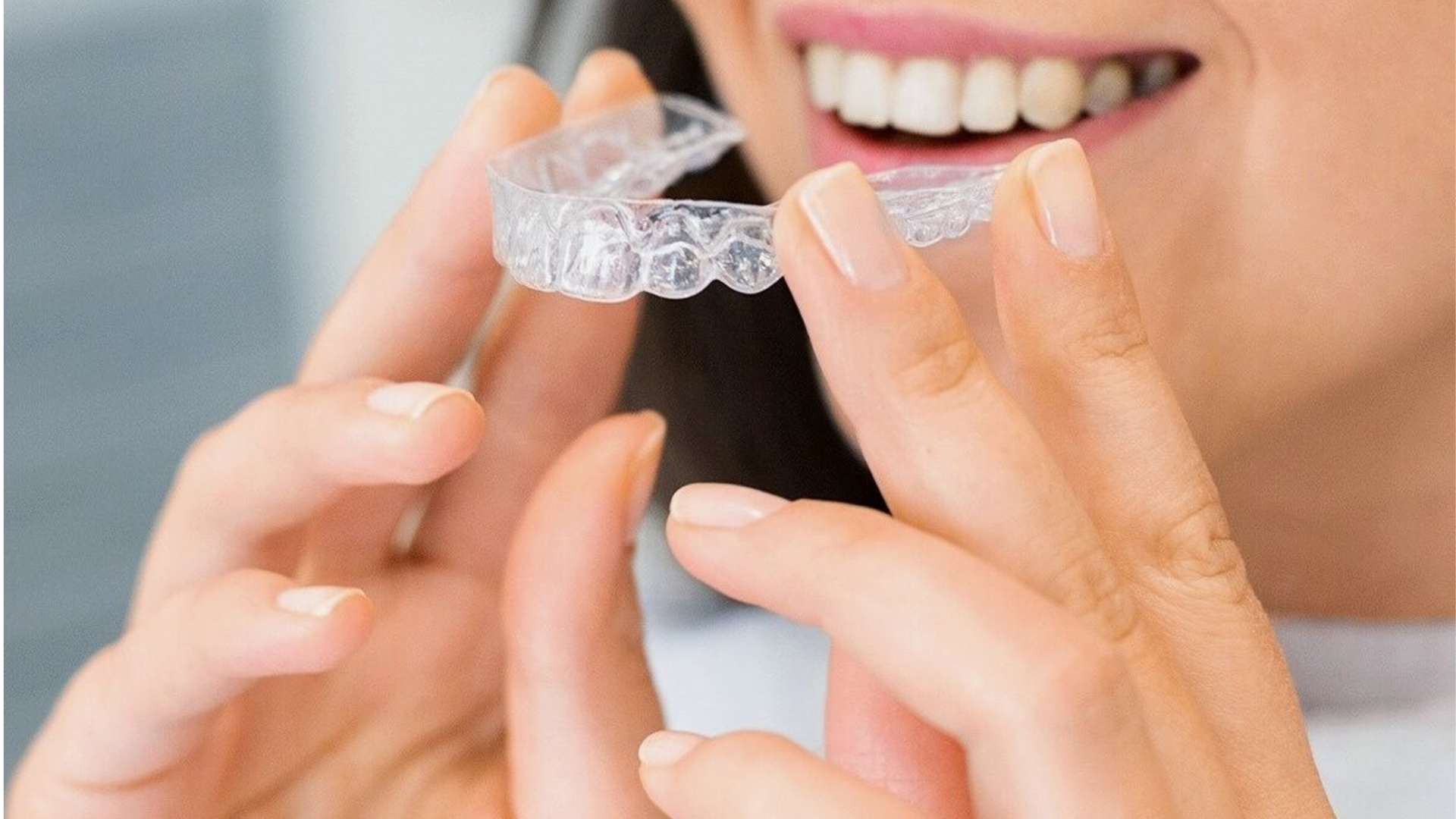
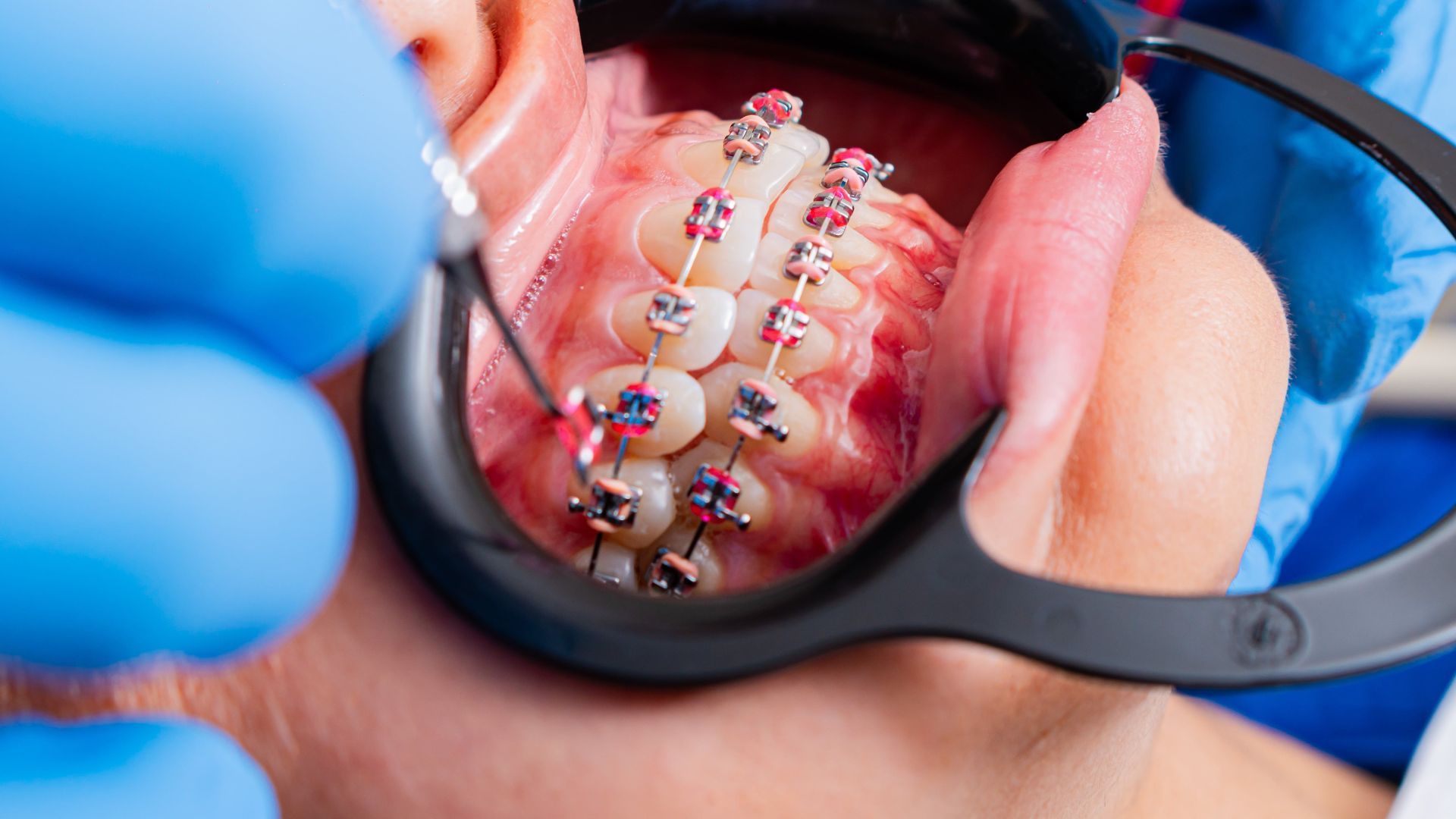
This is the most immediate difference. Traditional braces use metal brackets and wires. While they are highly effective, they are undeniably visible. Conversely, clear aligners use custom-made, medical-grade plastic trays that fit snugly over your teeth. Most people won’t even notice you are undergoing treatment, making them the gold standard for adults and teens who may feel self-conscious.
Material Composition and Functionality
Braces are "fixed" appliances. An orthodontist periodically tightens the archwire, creating tension that shifts teeth. Clear aligners are a sequenced system. You receive a series of trays, each slightly different, that you switch out every one to two weeks.t: According to the American Association of Orthodontists (AAO), clear aligners are highly effective for mild to moderate crowding but may require "attachments"—small, tooth-colored bumps—to help the plastic grip the teeth for complex movements.
Lifestyle Integration: Daily Routines
How a treatment fits into your 9-to-5 and your weekend plans is often more important than the technology itself.
Eating and Drinking Habits
This is a major lifestyle difference. With traditional braces, you must be cautious. Sticky candies, hard nuts, and popcorn can bend wires or pop brackets, causing emergency dental visits.
- Braces: Requires a restricted diet to prevent damage to the hardware.
- Clear Aligners: Trays are removed during meals, so there are no food restrictions whatsoever.
- You must brush your teeth before reinserting clear aligner trays to prevent sugar and bacteria from trapping against your enamel.
Oral Hygiene Practices
Keeping your teeth clean is vital to avoid "white spot lesions" (early decay) after treatment.
- Braces: Brushing and flossing around wires is time-consuming. You likely need interdental brushes or floss threaders to reach every surface.
- Clear Aligners: Simply remove the trays and brush/floss as normal. This ease of access significantly reduces the risk of gingivitis during the alignment process.
Comfort and Predictability
No orthodontic treatment is entirely painless, as moving bone requires pressure. However, the type of discomfort varies.
Discomfort Levels and Pain Management
With traditional braces, significant soreness usually follows "tightening" appointments. Additionally, metal brackets can rub against the cheeks and lips, occasionally causing painful canker sores.
Clear aligner pressure is often described as a tight sensation that lasts for the first 24 to 48 hours of a new tray. Because the aligners are smooth plastic, the risk of soft-tissue irritation is much lower.
Predicting Treatment Outcomes
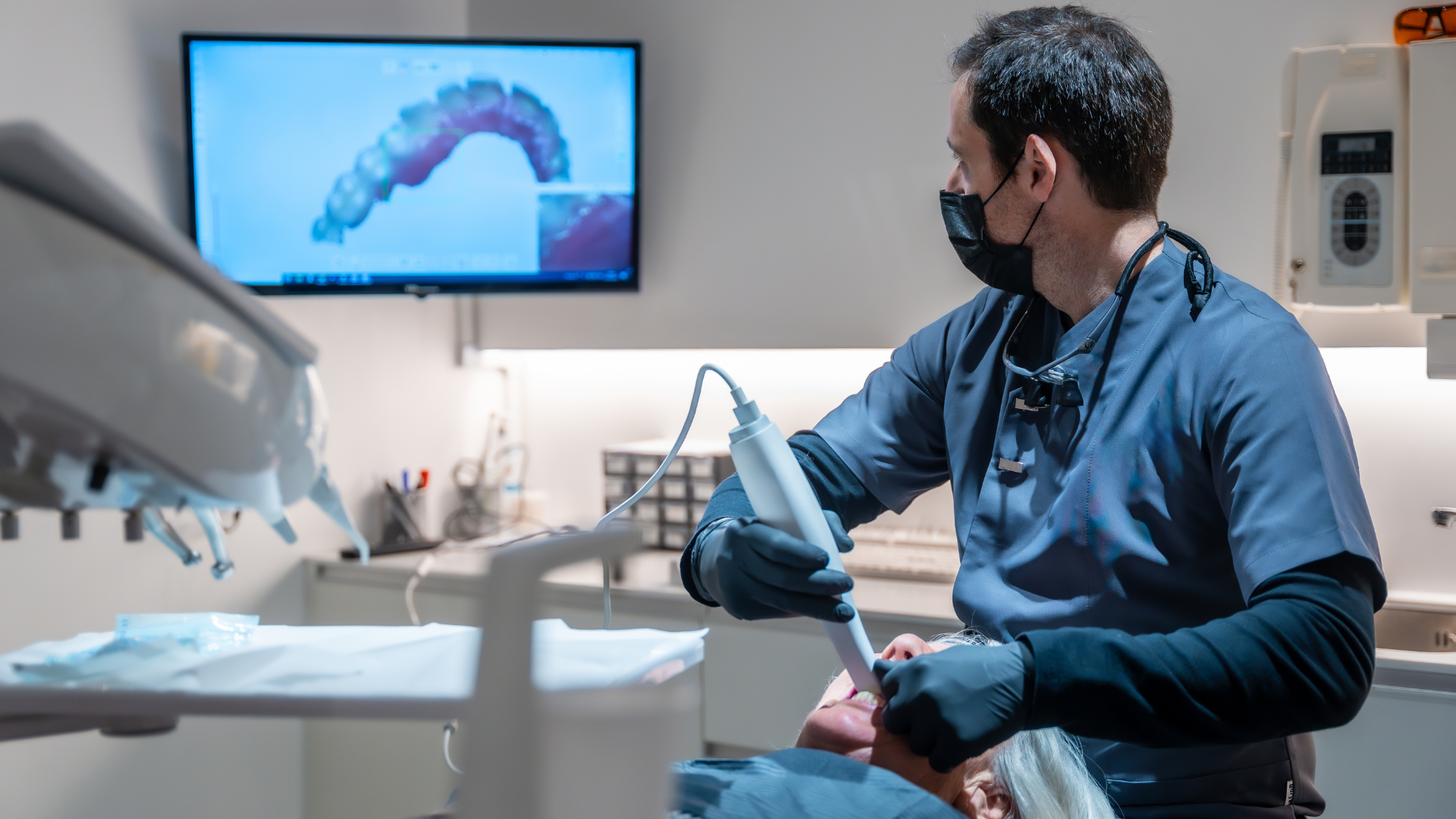
Using iTero or similar 3D scanners, your dentist can create a digital roadmap of your progress.
- 3D Simulations: See your final smile before the first tray is even printed.
- Controlled Movement: Each tray is engineered to move specific teeth in a specific order, increasing efficiency.
Cost Considerations and Insurance
The financiaThe financial aspect affects every household. While prices vary by case complexity, the gap between clear aligners and braces has narrowed significantly.
Comparing The Investment
- Clear Aligners: Often have a slightly higher laboratory cost due to specialized tray manufacturing.
- Braces: While materials may be cheaper, frequent manual adjustments can add to the long-term cost.
Insurance and Financing
Many dental insurance plans treat clear aligners the same as traditional braces, providing an orthodontic benefit that covers a portion of the cost. At Dr. Joyce, Family and Cosmetic Dentistry, we help patients navigate:
- HSAs and FSAs: Using pre-tax dollars to lower the effective cost.
- Monthly Payment Plans: Spreading the cost over the duration of treatment.
Choosing the Right Provider in Westwood
Experience matters. When searching for clear aligner services in Westwood, you need a provider who views the treatment through the lens of both function and aesthetics.
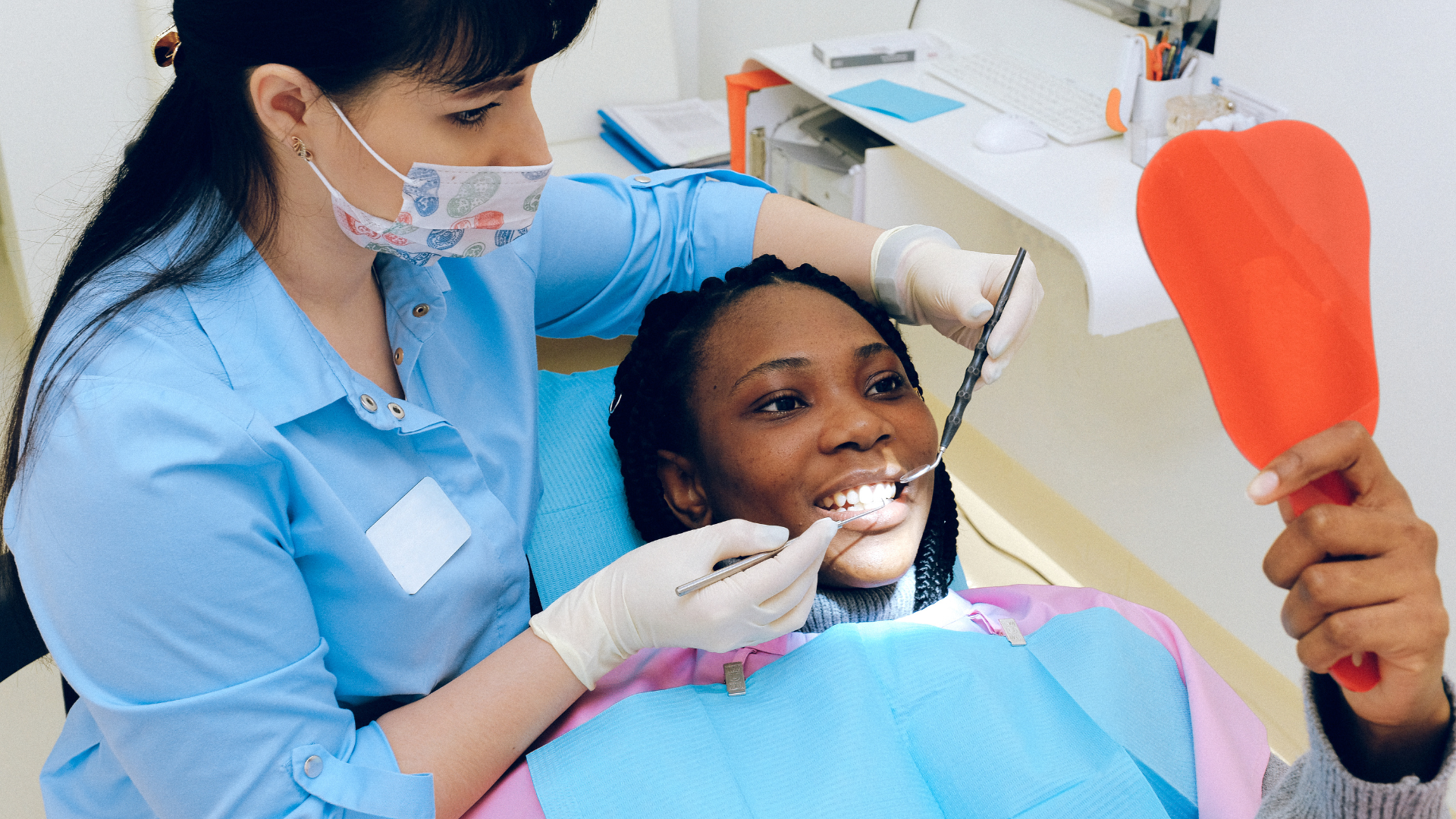
A quality consultation should never feel rushed. Your provider should explain the rationale for the plan, ensuring your bite (occlusal) is as healthy as your smile is straight. Dr. Joyce and the team prioritize a comprehensive examination to ensure you are a viable candidate for clear aligner therapy before you begin.
Frequently Ask Questions
Are clear aligners faster than braces?
In some cases, yes. Because clear aligners apply force to the entire tooth surface, simple crowding can sometimes be resolved more quickly. However, complex structural cases may still require traditional braces.
How many hours a day do I have to wear clear aligners?
For the treatment to be effective, you must wear your aligners for 20 to 22 hours per day. They should only be removed for eating, drinking (anything other than water), and cleaning.
Will clear aligners affect my speech?
Some patients notice a slight lisp for the first few days as the tongue adjusts to the trays. This almost always disappears within a week of consistent wear.
sults of clear aligners permanent?
Like all orthodontic treatments, you must wear a retainer after treatment ends to prevent your teeth from shifting back to their original positions.
Trust & Authority: About Dr. Joyce
This guide was developed by the clinical team at Dr. Joyce, Family and Cosmetic Dentistry. Led by experienced practitioners dedicated to the Westwood and Los Angeles community, our office specializes in blending advanced dental technology with a patient-centered approach. With years of experience in clear aligner therapy and restorative dentistry, Dr. Joyce ensures that every treatment plan is backed by clinical excellence and a deep understanding of facial aesthetics.
Conclusion: The Path to Your Best Smile
The "better" The better option is the one you can commit to. If visible metal keeps you from seeking treatment, clear aligners are a revolutionary alternative that fits a modern lifestyle. If you prefer a set-it-and-forget-it approach without tracking removable trays, traditional braces remain a powerhouse of orthodontic correction. What’s possible for your smile?
Disclaimer: The information provided on this page is for general educational purposes only and is not intended to replace professional dental advice, diagnosis, or treatment. Invisalign treatment outcomes, timelines, and costs vary based on individual needs and oral health conditions. A consultation with a licensed dentist is required to determine whether Invisalign is appropriate for you. Always follow the guidance of your dental professional regarding your specific treatment plan.