How Often Does Your Family Really Need a Dental Checkup?
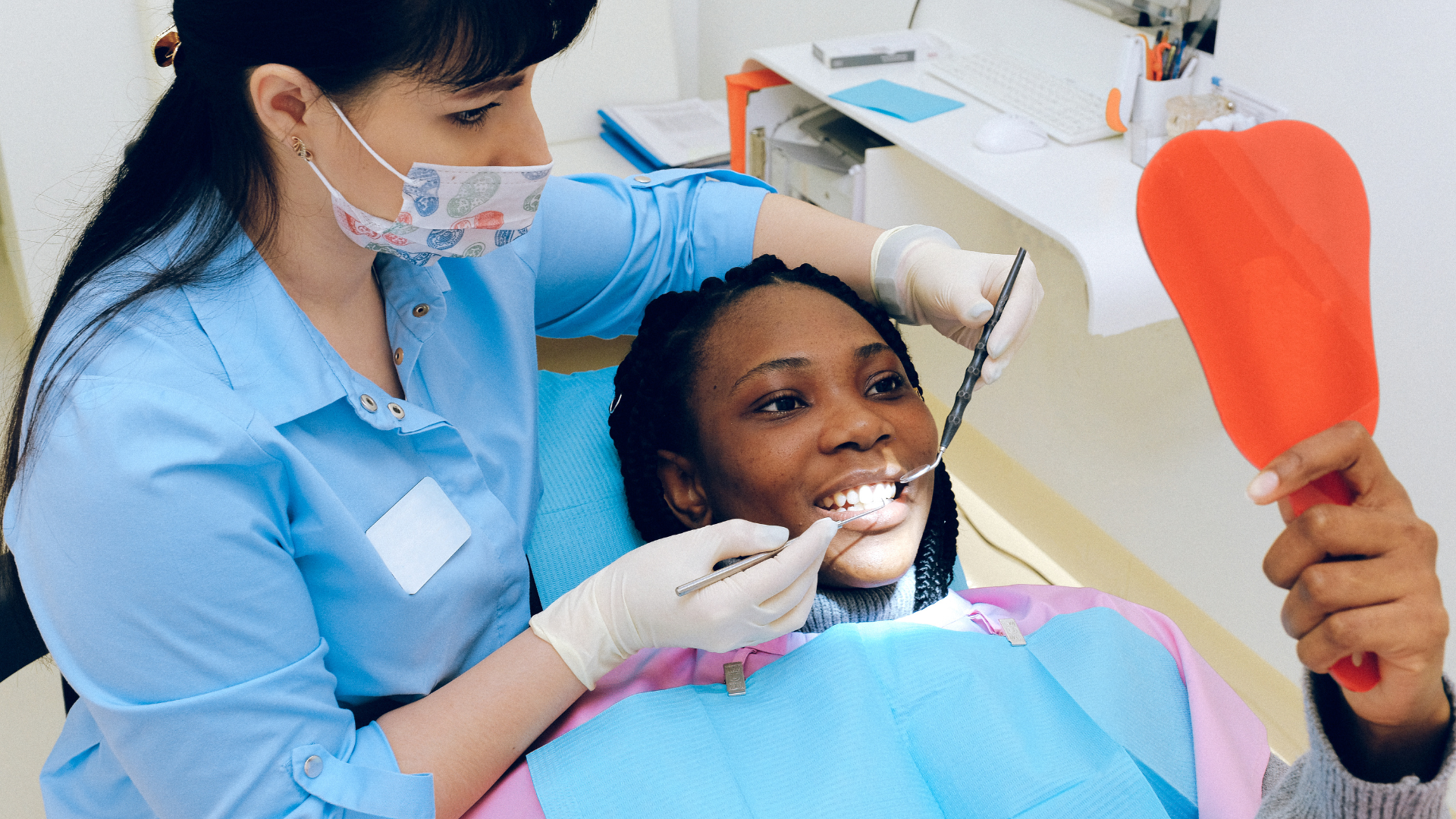
Most families do well with a dental checkup every six months, but that's a starting point, not a fixed rule. The American Dental Association now recommends a schedule based on each person's risk: twice a year for healthy, low-risk patients, more often for anyone prone to cavities or gum disease, and a first visit by age one for little ones.
Most families do well with a dental checkup every six months, but that number isn't one-size-fits-all. The American Dental Association now recommends a visit schedule based on each person's risk: twice a year for healthy, low-risk patients, and every three to four months for those prone to gum disease, cavities, or other concerns.
Quick Answer: There's no single magic number for the whole family. A healthy adult and a cavity-prone kid can be on completely different schedules. The right interval is the one your dentist sets after actually looking at each person's mouth.
Key takeaways
- Twice a year is the baseline for healthy, low-risk patients, not a universal law.
- Higher-risk adults often need visits every 3–4 months.
- Some low-risk adults may be fine at 9–12 months if their dentist agrees.
- Children should see a dentist by their first birthday, then usually every 6 months.
- The right schedule is set for each person based on a real risk assessment.
Why "every six months" doesn't fit everyone
If you grew up hearing you should see the dentist twice a year, you're not wrong; you're just working from a rule of thumb, not a hard rule.
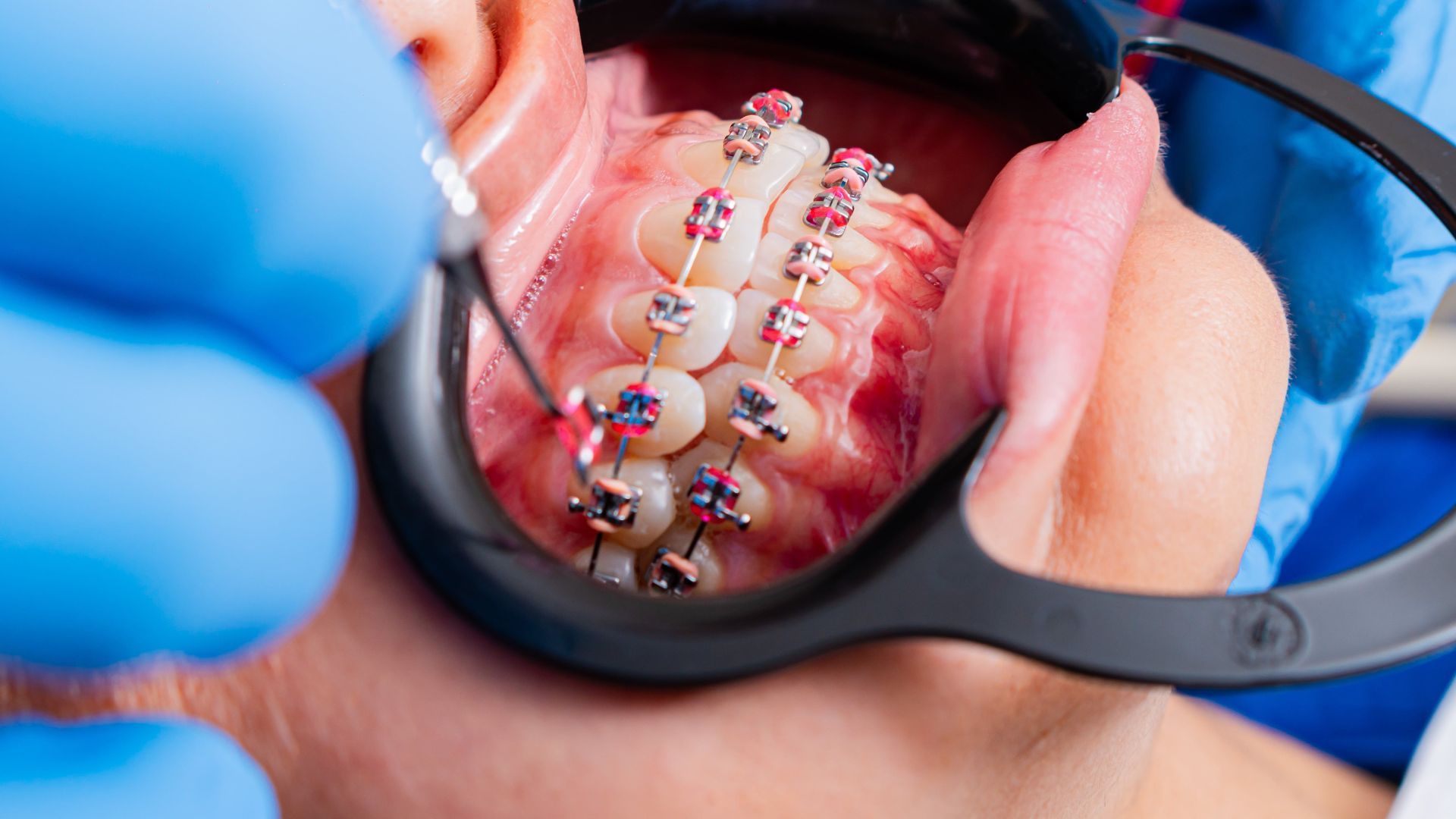
For a busy household, that difference matters. One schedule for a whole family rarely fits the toddler, the teenager with braces, and the parent managing gum health all at once.
Our preventive and family dentistry page covers what a routine visit actually includes, but the bigger question most parents ask us is simpler: how often do we really need to come in?
Where did the "every six months" rule come from, and is it still valid?
The six-month interval is a long-standing convention, not a precise scientific formula, and today the American Dental Association recommends visit frequency based on individual risk rather than a single number for everyone. For most healthy adults and children, that still works out to about twice a year, but it's a baseline, not a mandate.
Twice a year became the standard because it strikes a practical balance: often enough to catch problems early, not so often that it's a burden. Decades of clinical experience backed it up, even without an exact formula behind the number.
What's changed is the emphasis on personalization. Modern preventive dentistry looks at your history, your habits, and your gum health, then sets an interval that actually protects your mouth. You can read the ADA's own consumer guidance at
MouthHealthy.org.
How often should healthy adults get a dental checkup?
Healthy, low-risk adults generally do well with a checkup and cleaning every six months, which lets your dentist remove tartar, screen for oral cancer, and spot small issues before they grow. If you've gone several years with no cavities and healthy gums, your dentist may stretch your visits toward once a year.
The reverse is true too. The moment something changes (a new filling, bleeding gums, a health condition), a good dentist tightens the schedule back up.
Skipping care entirely is where families run into trouble. According to the CDC, roughly 1 in 5 adults ages 20–64 has at least one untreated cavity, and dental problems cost an estimated 34 million school hours every year: the kind of avoidable damage a routine visit is designed to prevent.
Who in the family needs to see the dentist more often?
Some people benefit from visits every three to four months rather than every six. That includes anyone with a history of gum disease, frequent cavities, diabetes, dry mouth, a weakened immune system, or who smokes, and often people who are pregnant, since hormonal changes can affect the gums.
Here's a simple way to think about where each family member lands:
| Risk level | Typical checkup interval | Who this often includes |
|---|---|---|
| Low risk | Every 6–12 months | Healthy adults, no recent cavities, good home care |
| Average risk | Every 6 months | Most children and adults |
| Higher risk | Every 3–4 months | Gum disease, diabetes, dry mouth, smokers, frequent cavities, pregnancy |
These aren't self-diagnoses; they're a conversation starter. Your dentist confirms your risk level with a real exam, including gum measurements and a look at your dental history.
How often do children need dental checkups?
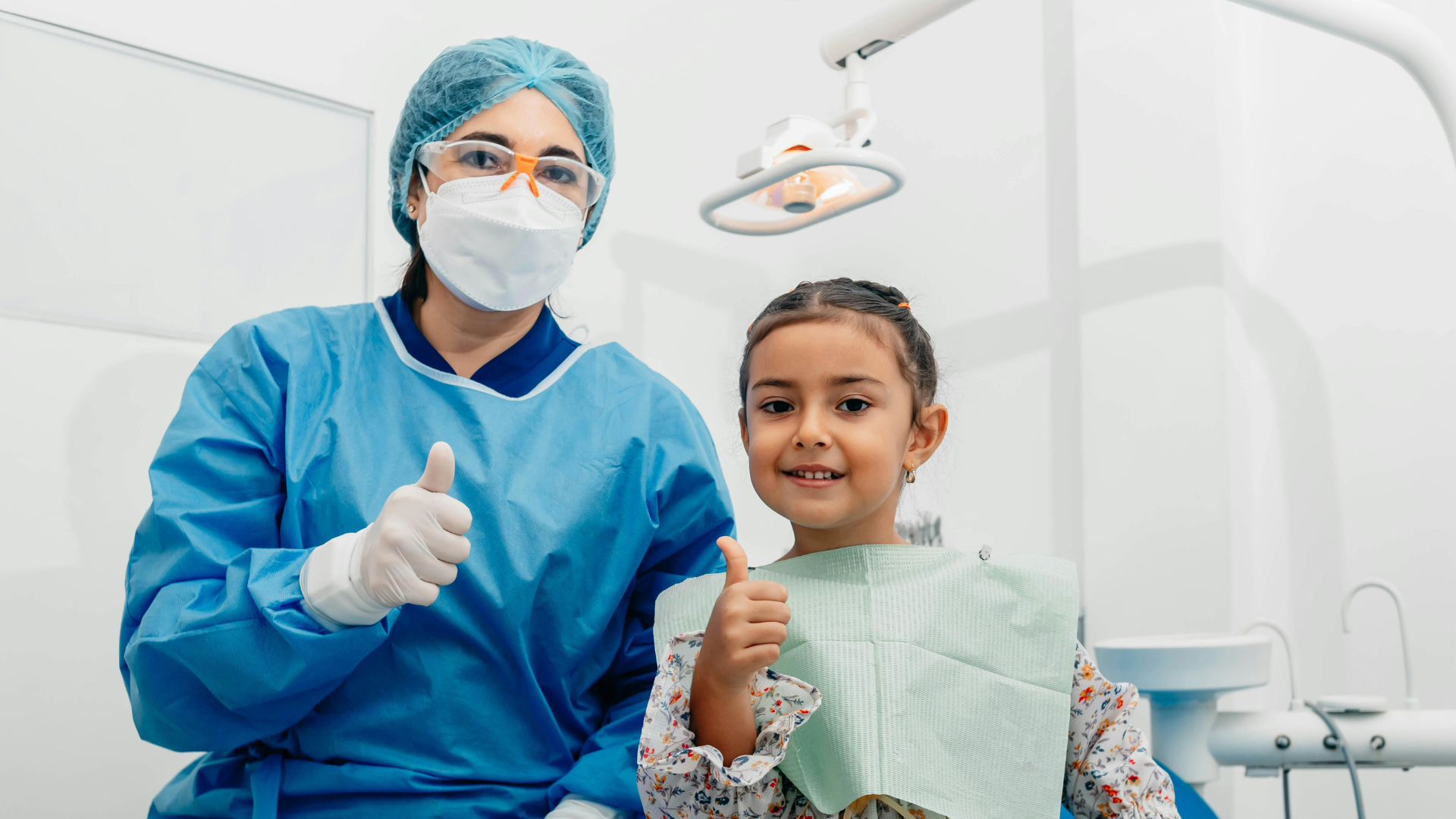
Children should have their first dental visit by age one (either around their first birthday or within six months of their first tooth) and then typically every six months through childhood, or more often if they're cavity-prone. Early visits aren't really about drilling; they're about prevention, coaching, and getting kids comfortable in the chair.
The American Academy of Pediatric Dentistry sets that age-one benchmark for a reason. Baby teeth matter for eating, speech, and holding space for adult teeth, and early cavities can move fast.
In our Westwood practice, the families who start young almost always have an easier time: fewer surprises, calmer kids, and habits that stick into the teen years.
Building a checkup routine that actually works for a family
The easiest way to stay on schedule is to stop treating checkups as something you'll "get around to." Book the next visit before you leave the office, and where it makes sense, stack family appointments back-to-back so one trip covers several people.
A few habits that help households stay consistent:
- Schedule the next cleaning at checkout, not weeks later.
- Group siblings' or partners' visits into a single block when you can.
- Ask your dentist to confirm each person's ideal interval, since it may differ.
- Keep up home care between visits, brushing twice a day and daily flossing.
Encouragingly, preventive visits are trending up: about 84% of dental visits in 2024 were preventive rather than emergency or cosmetic, a sign more families are catching issues before they hurt.
Frequently Asked Questions
How often should I take my family to the dentist?
Most healthy family members do well with a checkup every six months, but the ideal schedule varies by person. Low-risk adults may be fine once a year, higher-risk patients often need every three to four months, and children should start by age one.
Is it really necessary to go to the dentist every six months?
For many people, yes, but it's a baseline, not a universal requirement. The ADA now recommends intervals based on individual risk. Some low-risk adults can safely extend to annual visits, while others need to come in more often. Your dentist sets the right number.
How often should my child see the dentist?
Children should have their first dental visit by age one, then generally every six months through childhood. Kids who are prone to cavities or going through orthodontic treatment may need to come in more frequently, so ask your dentist what's right for your child.
What happens if we skip regular dental checkups?
Skipping visits lets small problems grow into painful, expensive ones. Cavities, gum disease, and even oral cancer are far easier to treat when caught early. Nationally, about 1 in 5 adults ages 20–64 already has an untreated cavity, often exactly what routine checkups are meant to prevent.
Can healthy adults go to the dentist just once a year?
Possibly. If you have no recent cavities, healthy gums, strong home care, and no risk-raising health conditions, your dentist may agree to a longer interval. This is a decision to make together after an exam, not a schedule to set on your own.
How does the dentist decide how often I should come in?
Your dentist assesses your risk using gum measurements, your dental and medical history, how well you care for your teeth at home, and any conditions like diabetes or dry mouth. From there, they recommend a personalized interval and adjust it over time as your oral health changes.
Trust & Authority
About the author: Dr. Joyce M. Truong, DDS. Better known as "Dr. Joyce," she has practiced general and cosmetic dentistry since earning her doctorate at the USC School of Dentistry in 2008 and provides family and preventive care for patients of all ages. She serves as a preclinical faculty member at USC and welcomes families at Dr. Joyce Family & Cosmetic Dentistry on Westwood Blvd, caring for the Westwood and West Los Angeles community (90025).
Conclusion
There's no single answer to how often your family needs a dental checkup, and that's a good thing. Twice a year is a smart default, but the real schedule depends on each person's age, health, and habits, adjusted over time by a dentist who knows your mouth.
Not sure where your family should land? Schedule a consultation with our Family Dentistry Westwood team and we'll set the right interval for each member: call (310) 470-7200 or request an appointment online.
Disclaimer: The information provided on this page is for general educational purposes only and is not intended to replace professional dental advice, diagnosis, or treatment. Invisalign treatment outcomes, timelines, and costs vary based on individual needs and oral health conditions. A consultation with a licensed dentist is required to determine whether Invisalign is appropriate for you. Always follow the guidance of your dental professional regarding your specific treatment plan.