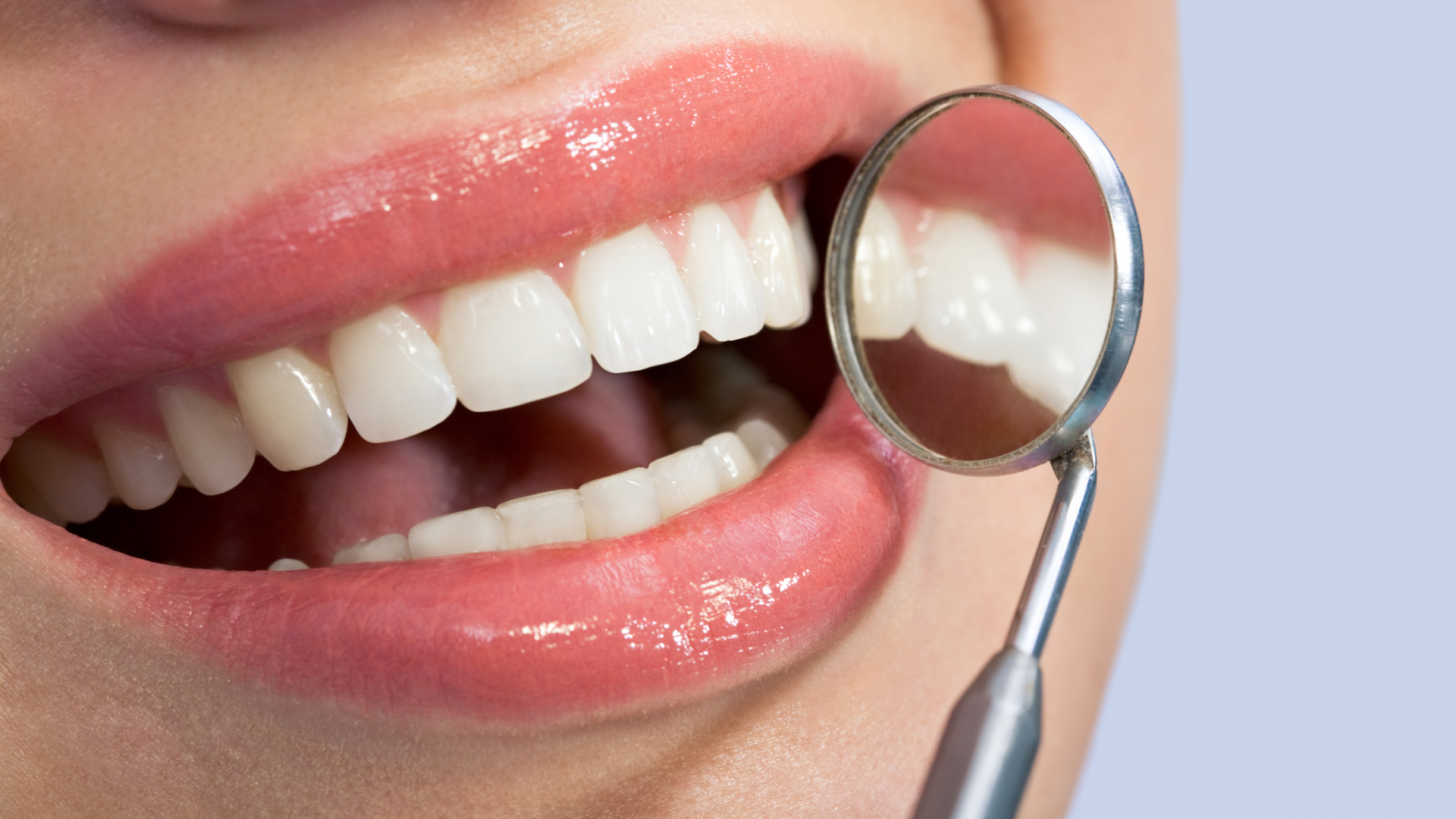
Tired of Dentures? How Dental Implants in Westwood Can Help Secure Your Smile
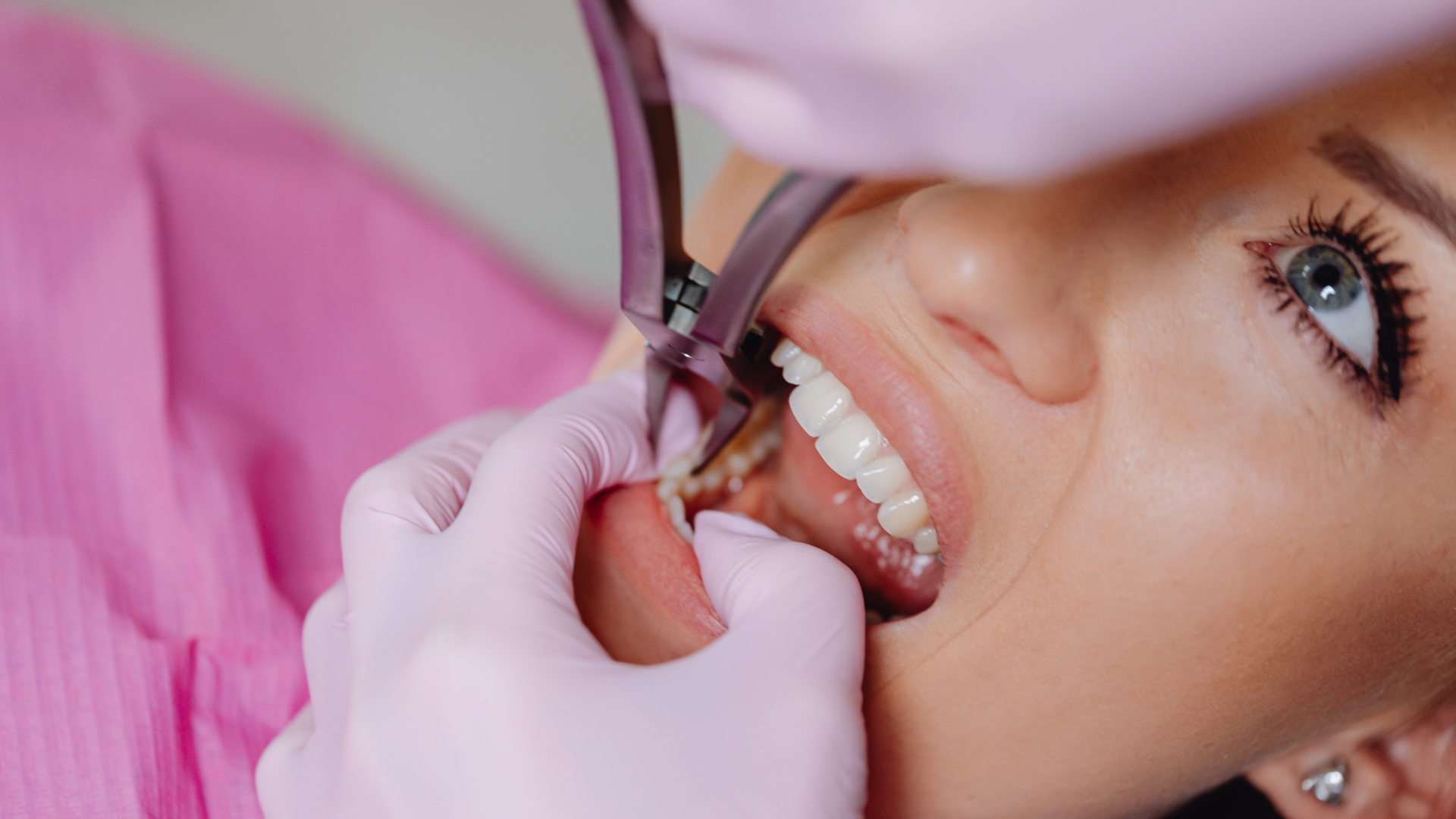
Traditional dentures rest on your gums, so they can slip as the bone underneath changes. Dental implants anchor teeth to the jaw instead, either as a snap-in overdenture on as few as two implants or as a fixed bridge that stays in. Research consistently shows better chewing, comfort, and satisfaction than conventional dentures.
If dentures slip, rub, or limit what you eat, dental implants can anchor them in place. As few as two implants in the lower jaw can hold a snap-in overdenture, while more implants can support a fixed bridge that never comes out, and both help preserve the jawbone that dentures alone can't.
Quick Answer: You don't have to choose between loose dentures and no teeth. Implants turn a floating denture into one that locks in place, and an exam will show which option your gums and bone can support.
Key Takeaways
- Dentures rely on suction and gum contact, which is why they loosen as the jawbone changes over time.
- Expert consensus has recommended a two-implant overdenture as the minimum first-choice treatment for a toothless lower jaw since 2002.
- Systematic reviews link implant overdentures to better chewing, stability, comfort, and overall satisfaction than conventional dentures.
- Healthy gums and enough bone come first, so every implant plan starts with a thorough exam.
When Your Dentures Start Running Your Day
Every dental implant plan in Westwood starts the same way: a careful look at your gums, bone, and overall oral health. I see many patients who've worn dentures for years and have quietly built their lives around them, skipping steak, avoiding corn on the cob, keeping adhesive in every bag.
None of that is a personal failing. It's how traditional dentures work, and it's often fixable without starting over from scratch.
Why Do Dentures Slip?
Traditional dentures sit on top of your gums and stay in place with suction, adhesive, and the shape of the ridge underneath. After you lose teeth, the jawbone that once held them gradually changes shape, so a denture that fit well at first can loosen, rub, and shift over the years.
Lower dentures usually have the hardest time. They have less surface area to grip, and your tongue and cheeks move against them all day, which is why so many people say their bottom denture never feels secure.
Relines and adhesives can help for a while. They don't change the underlying problem, though: the denture has nothing solid to hold on to.
How Do Dental Implants Hold Dentures in Place?
A dental implant is a small titanium post placed in the jawbone, where it bonds with the bone over several months. Once healed, implants act like artificial roots. A denture can then snap onto attachments on the implants, or a fixed bridge can be secured to them, so the teeth stay put when you eat, talk, and laugh.
This approach is well established. The McGill consensus statement, published in 2002 by an international panel of experts, recommended a two-implant overdenture as the first-choice standard of care for patients with no lower teeth.
A follow-up York consensus statement in the British Dental Journal went further, concluding that a conventional lower denture is a much poorer alternative and that two implants should be the minimum offered as a first choice.
Which Implant Option Fits Your Needs?
The right option depends on how many teeth you're missing, how much bone you have, whether you want something removable or fixed, and your budget. Most denture wearers choose between a snap-in implant overdenture and a fixed implant bridge, while people missing only a few teeth may need individual implants instead of a partial.
| Option | How it works | Removable? | Often best for |
|---|---|---|---|
| Implant overdenture | Denture snaps onto two or more implants | Yes, for cleaning | Loose lower dentures, budget-conscious patients |
| Fixed implant bridge | Full arch of teeth secured to several implants | No, only by your dentist | Patients who want teeth that never come out |
| Individual implants | One implant and crown per missing tooth | No | A few missing teeth, replacing a partial |
Even a modest change can make a big difference. Many patients start with a snap-in overdenture on the lower jaw, where dentures tend to struggle most, and decide on the upper jaw later.
What Are the Benefits Over Traditional Dentures?
Implant-anchored teeth stay stable, so most people chew better, speak more clearly, and stop worrying about slips. Because the implants stimulate the jawbone much like natural roots, they also help maintain the bone that conventional dentures gradually lose, which keeps your face and fit more stable over time.
The research supports what patients describe. A systematic review in the Journal of Prosthodontic Research found that two-implant overdentures were associated with better chewing performance and quality of life, plus significantly higher ratings for overall satisfaction, comfort, stability, speech, and chewing ability than conventional dentures.
Patients most often tell us they notice:
- Eating foods they'd given up, like apples, nuts, and salads.
- No more adhesive, or far less of it.
- Speaking and laughing without a denture shifting.
- Fewer sore spots from a denture rubbing the gums.
Who Is a Good Candidate for Dental Implants?
Most adults in good general health with healthy gums are candidates, and age alone isn't a barrier. What matters most is having enough jawbone to hold the implants, or being able to rebuild it with grafting, along with conditions such as diabetes and smoking that affect healing being well managed.
That's why the first step is preventive, not surgical. Gum health has to come first, and our team treats gum disease before any implant is placed.
Implants are also becoming far more common. A study of national survey data in the Journal of Dental Research found implant use among U.S. adults missing teeth rose from 0.7% in 1999–2000 to 5.7% in 2015–2016, with projections for 2026 reaching as high as 23%.
What Does the Implant Process Look Like at Our Westwood Office?
Implant treatment usually happens in stages over several months. It starts with an exam and digital scanning, moves to implant placement and a healing period while the implants bond to the bone, and finishes when your new denture or bridge is attached and adjusted for a comfortable bite.
Here's how it typically works with our team:
- Exam and digital scanning. We check your gums and bone and take digital scans to plan precisely where implants can go.
- Implant placement. Dr. Bradley Lander, our periodontist and implant surgeon, places the implants.
- Healing. The implants bond with the bone over several months, and you wear a temporary or modified denture in the meantime.
- Your new teeth. I restore the implants with your overdenture, bridge, or crowns and fine-tune the fit and bite.
- Ongoing care. Regular cleanings and checkups keep the implants and gums healthy for the long term.
If you're still deciding whether implants are worth it, our earlier post on how missing teeth affect confidence and how implants can help covers the everyday side of that decision.
Frequently Asked Questions
How many implants do I need to hold my dentures?
For a lower snap-in overdenture, as few as two implants is often enough, and expert consensus has treated two implants as the minimum standard. Upper dentures and fixed full-arch bridges usually need more, depending on your bone and the type of restoration you choose.
Can I use my current dentures with implants?
Sometimes. If your current denture fits well and is in good condition, it may be possible to modify it to snap onto implants. Many patients need a new denture for the best fit and stability, and your dentist can tell you which applies after an exam.
Are implant-supported dentures removable?
It depends on the type. Snap-in implant overdentures come out for cleaning and at night, while fixed implant bridges stay in place and can only be removed by your dentist. Both are far more stable than conventional dentures.
How long does it take to get implant-supported dentures?
Most cases take several months from implant placement to final teeth, because the implants need time to bond with the jawbone. Bone grafting or gum treatment beforehand can add time, and you'll usually wear a temporary denture while healing.
Am I too old for dental implants?
Age alone usually isn't the issue. Many older adults do very well with implants as long as their overall health is stable, their gums are healthy, and they have enough jawbone or can have it rebuilt with grafting.
Does dental insurance cover implants?
Coverage varies widely. Some plans cover part of the implant, the denture, or related procedures, while others exclude implants entirely. Ask the office to review your benefits and give you a written estimate before treatment begins.
The Dentists Behind This Guide
Dr. Joyce M. Truong, DDS, known to patients as Dr. Joyce, is the owner of Dr. Joyce, Family and Cosmetic Dentistry in Westwood. She earned her Bachelor of Science from the University of California, Irvine, in 2004 and her Doctor of Dental Surgery from the University of Southern California in 2008, and she volunteers as a preclinical faculty member at the USC School of Dentistry.
Implants at the practice are placed by Dr. Bradley Lander, a periodontist and implant surgeon who graduated with distinction from the University of Leeds and completed his specialty certificate in Periodontics and a Master's in Oral Biology at the University of Pennsylvania, where he served as Chief Resident.
Serving Westwood and West Los Angeles from 1964 Westwood Blvd., #215, Los Angeles, CA 90025, near Santa Monica Boulevard.
A More Secure Smile Starts With One Visit
If your dentures slip, rub, or keep you from foods you love, implants can change that. A snap-in overdenture or a fixed bridge anchors your teeth to the jaw, and an exam of your gums and bone will show which option makes sense for you.
Call our Westwood office at (310) 470-7200 or request an implant consultation online.