One Dentist for the Whole Family: The Benefits of Consolidated Care in Westwood
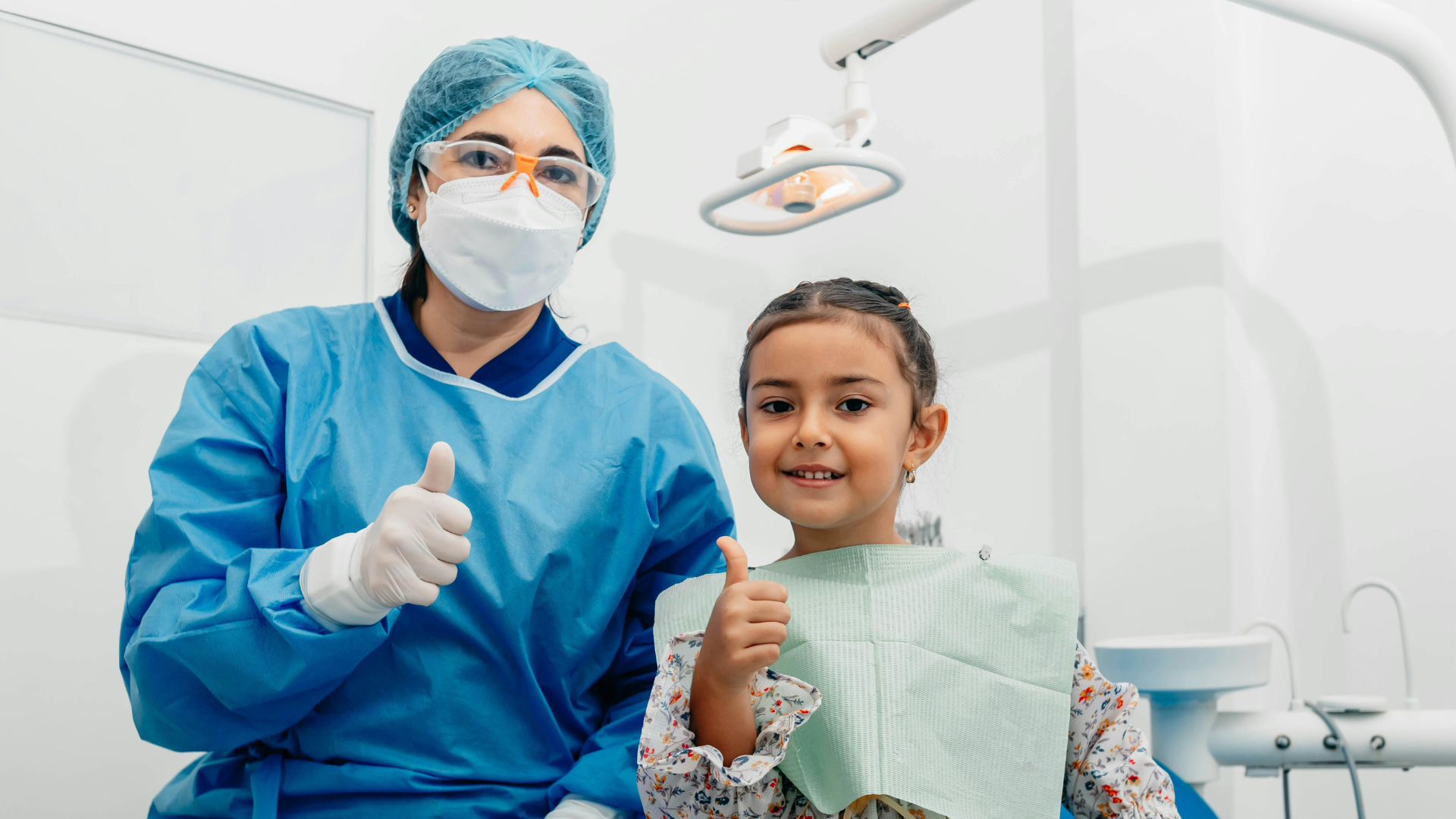
Choosing one family dentist in Westwood means every age, from your child's first tooth to your own routine checkups, gets care under a single roof. Consolidated care saves you time, keeps your family's dental history in one place, and helps kids grow up genuinely comfortable at the dentist. This guide covers what family dentistry includes, the real benefits, and how to pick the right practice for your household.
Family dentistry in Westwood means one practice cares for every age under a single roof — toddlers, teens, parents, and grandparents. Instead of coordinating separate offices for everyone, your whole family sees the same trusted dentist, who tracks your shared history, keeps appointments simple, and delivers preventive care that grows with each person over the years.
Quick Answer: In short, a Westwood family dentist treats kids and adults in the same office, so one team handles checkups, cleanings, and treatment for everyone — fewer appointments to juggle and a dentist who already knows your family.
Key Takeaways
- A family dentist treats all ages, so one office serves your entire household.
- Dental experts recommend a child's first visit by their first birthday. A family practice makes it easy to start.
- Continuity means your dentist knows your family's history and hereditary patterns.
- Consolidated care cuts down on appointment juggling and missed days.
- Look for a practice that welcomes young kids and offers a full range of services for every age.
The Everyday Problem: Too Many Dentists, Too Little Time
Picture a typical week. One kid needs a checkup at a pediatric office across town. Your teenager is due for a cleaning somewhere else. You keep meaning to book your own overdue appointment, and your parents ask if you know a good dentist nearby. Three or four offices, three or four sets of paperwork, three or four calendars to reconcile.
It is exhausting and it is exactly the friction that leads families to skip care they meant to get. That matters more than it sounds. A 2025 CDC report found that Americans lose roughly34 million school hours each year to unplanned, emergency dental visits, and that untreated dental disease drains over $45 billion in lost productivity annually. A lot of that traces back to routine care that never happened.
Consolidating your family's care with one Westwood dentist removes most of that friction. If you are weighing a switch, our new patient page explains how to get everyone set up at once but first, here is what "family dentistry" actually means and why it works so well.
What Family Dentistry Really Means
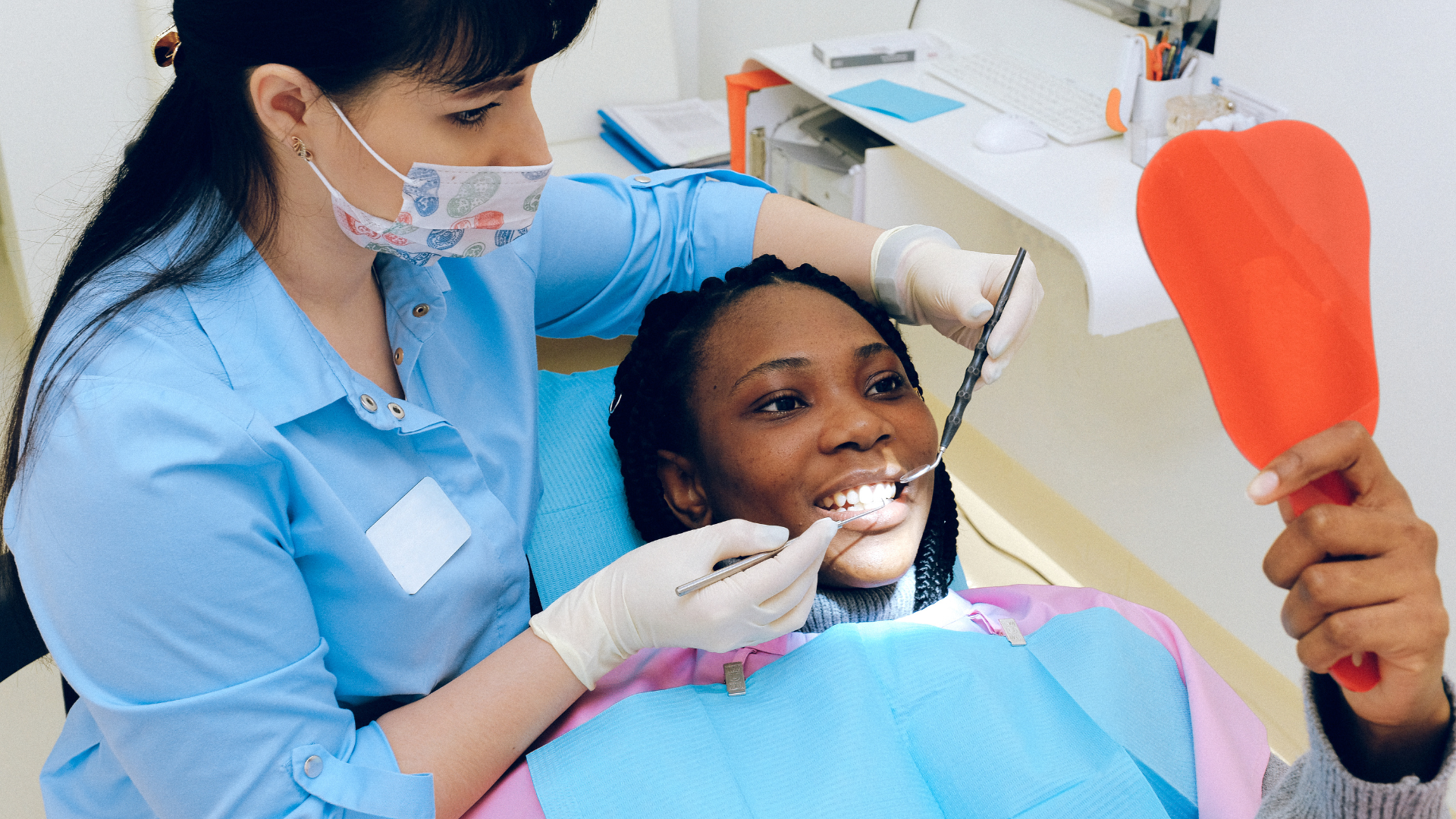
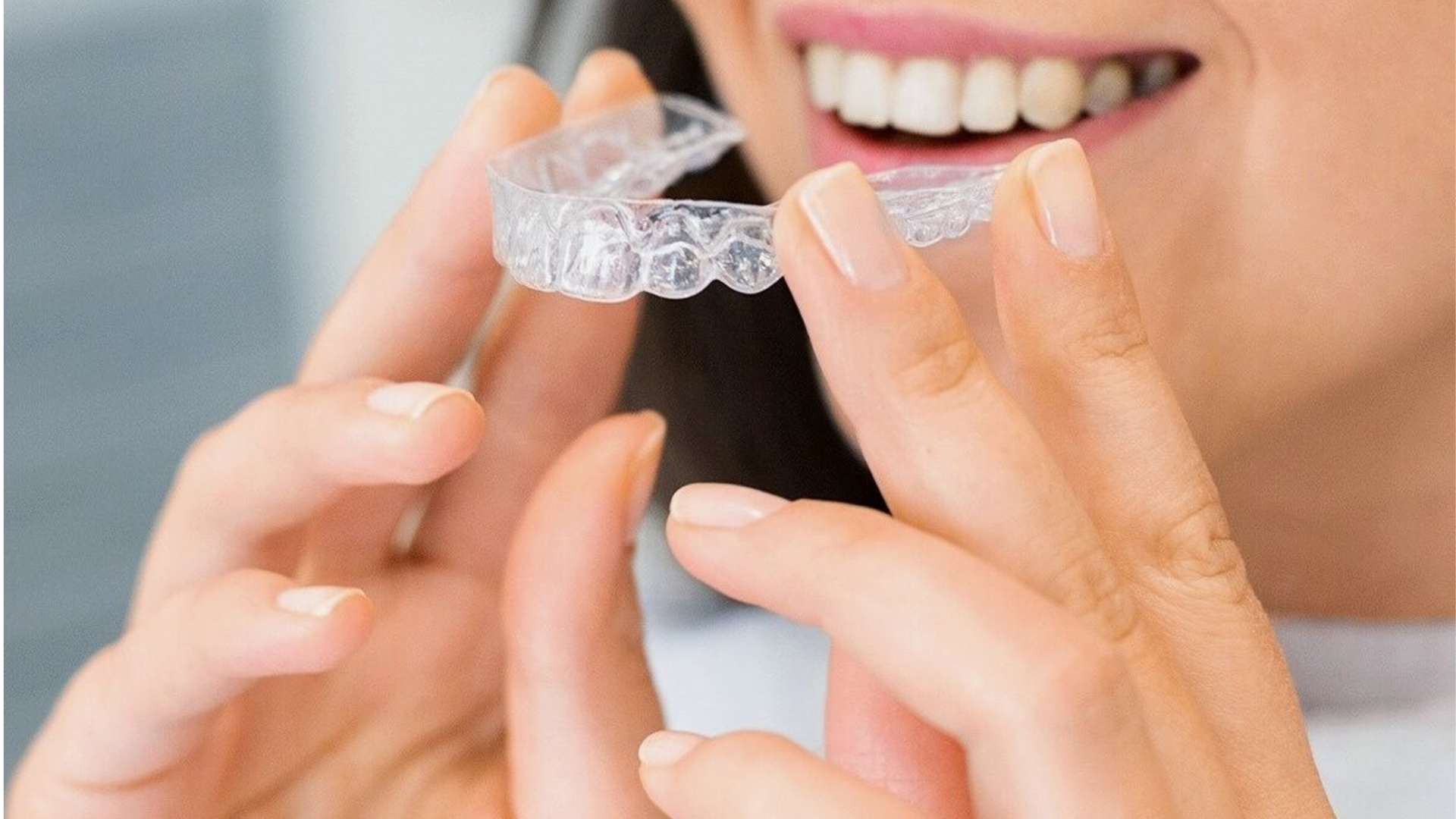
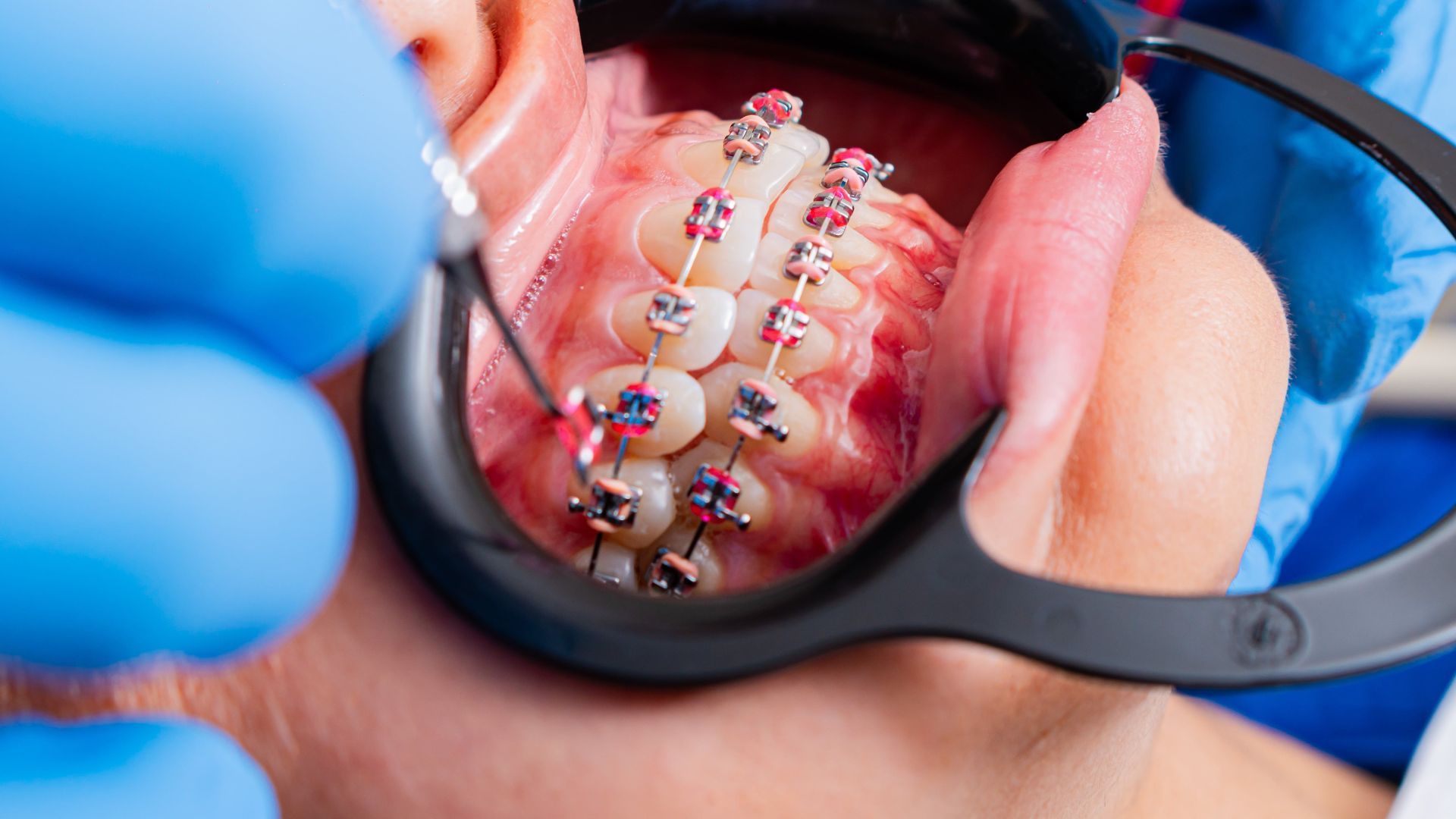
A family dentist is trained to treat patients at every stage of life the toddler getting their first look inside a friendly chair, the teen in aligners, the busy parent needing a filling, the grandparent managing a crown. It is broader than a pediatric-only practice (which sees children) and more continuous than bouncing between specialists as needs change.
This lines up with something dental professionals have championed for years: the dental home. The American Academy of Pediatric Dentistry defines it as an ongoing relationship between dentist and patient that is comprehensive, continuously accessible, coordinated, and family-centered. And the research backs it up children who have a consistentdental home are more likely to receive routine preventive care and less likely to develop dental disease. A family practice is a dental home for everyone, not just the kids.
The Real Benefits of One Dentist for the Whole Family
One Schedule, One Office
The most immediate win is logistical. Back-to-back appointments for siblings, coordinated cleanings for the whole household, one familiar front desk that already has your insurance on file. For two-parent workdays and packed school calendars, cutting four trips down to one is not a small thing it is often the difference between care that happens and care that gets postponed indefinitely.
Continuity of Care
When one dentist sees your whole family over time, they build a picture no single-visit specialist can. They notice that a grinding habit runs in the family, that enamel tends to be soft on one side of the family tree, or that a child's bite is developing the same way a parent's did. That shared history helps them catch patterns early and personalize care, rather than starting from scratch at every appointment.
Kids Grow Up Comfortable at the Dentist
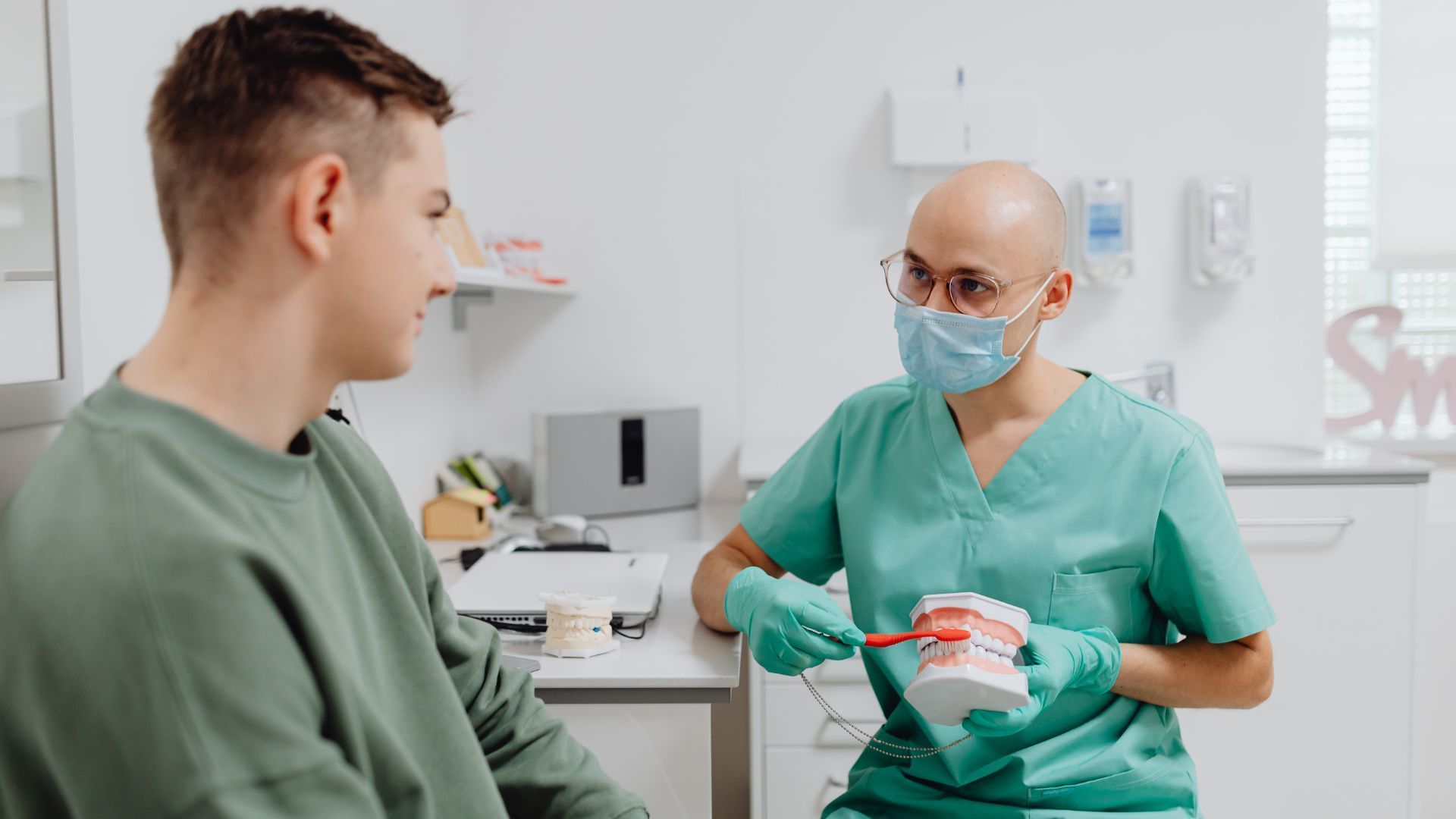
Here is where an early start pays off for decades. The American Academy of Pediatric Dentistry, the ADA, and the American Academy of Pediatrics all recommend a child's first dental visit by age 1. Beginning that early, in a warm and familiar office, is how children learn that the dentist is a safe, ordinary part of life not something to dread. A family practice where they will keep going for years turns that first visit into a lasting comfort.
Care That Grows With You
Your dental needs at 4, 34, and 74 are very different, and a family dentist is built to handle the whole arc. First cleanings and sealants for little ones, orthodontic guidance for teens, restorative and cosmetic work for adults, and gum and restoration care for older patients all in one relationship that adapts as you do.
Better Prevention, Fewer Emergencies
Everything above adds up to the real prize: prevention. When care is easy to keep up with, families keep up with it and routine checkups catch small problems before they become painful, expensive emergencies. Given how much untreated disease costs in missed work and school, a practice that makes consistent preventive care simple is doing more than saving you a trip. It is protecting your family's health and your calendar at the same time.
What to Look for in a Westwood Family Dentist
Not every practice that treats adults is set up to be a true family dentist. A few things worth checking before you commit.
Make sure the office genuinely welcomes young children and is comfortable seeing babies for that age-one visit some general practices refer infants out. Confirm they offer a full range of services across ages, from pediatric cleanings to restorative and cosmetic care, so you are not sent elsewhere the moment a need falls outside their scope. And practical details matter: a convenient Westwood location, flexible scheduling that can stack family appointments, and a friendly team make the difference between a practice you use and one you avoid.
We see the payoff of this constantly in our Westwood office (in the 90024 area, near UCLA). One family started bringing their oldest in as a toddler years ago; today we care for three kids and both parents, and because we know their history, we spotted an inherited enamel issue in the youngest before it ever caused pain. That is what continuity looks like in practice.
Frequently Asked Questions
What age should my child first see the dentist?
By their first birthday. The American Academy of Pediatric Dentistry, the ADA, and the American Academy of Pediatrics all recommend a first dental visit within six months of the first tooth appearing, and no later than age 1. Starting early establishes a dental home and helps prevent cavities before they begin.
What's the difference between a family dentist and a pediatric dentist?
A pediatric dentist treats only children, while a family dentist treats patients of all ages in the same practice. Choosing a family dentist means your kids and adults can be seen in one office, and children don't need to switch to a new provider once they outgrow a pediatric practice.
Can my whole family really see the same dentist?
Yes that's the core idea of family dentistry. One practice treats toddlers, teens, adults, and seniors, so a single trusted dentist handles checkups, cleanings, and treatment for everyone in your household. It keeps your family's dental history in one place and makes scheduling far simpler.
How often should my family visit the dentist?
Most people benefit from a checkup and cleaning every six months, though your dentist may adjust that based on each family member's needs. Regular visits let your dentist catch small issues early which is far easier and less costly than treating a problem after it becomes an emergency.
Does a family dentist treat both kids and adults?
Yes. That's what sets family dentistry apart. The same practice provides age-appropriate care across the board sealants and gentle first visits for children, and fillings, crowns, cosmetic, and gum care for adults all under one roof and one coordinated record.
How do I find a good family dentist in Westwood?
Look for a practice that welcomes patients of every age, is comfortable seeing young children, offers a full range of services so you're rarely referred out, and has a convenient Westwood location with flexible scheduling. A friendly team and an easy first visit are strong signs you've found the right fit.
Meet Your Westwood Cosmetic Dentist
Dr. Joyce Truong, DDS, has spent over 18 years helping patients across Westwood and the greater Los Angeles area rediscover smiles they are proud of. With a DDS from the USC School of Dentistry, an undergraduate degree from UC Irvine, and a practice built around clear aligners and cosmetic dentistry plus ongoing work as a preclinical faculty member at USC Dr. Truong combines clinical precision with an artist's eye, and is committed to results that look natural, never overdone. Proudly serving the Westwood community (90024) and surrounding neighborhoods.
Bring Your Whole Family to One Trusted Practice
One office. One team that knows your family. One less thing to juggle. Consolidating your family's dental care isn't just convenient it's how you build the kind of consistent, preventive relationship that keeps everyone healthier for life.
Schedule appointments for your whole family today. Call (310) 470 - 7200 or book online to get everyone set up with a Westwood family dentist who's ready to care for every generation.
Disclaimer: The information provided on this page is for general educational purposes only and is not intended to replace professional dental advice, diagnosis, or treatment. Invisalign treatment outcomes, timelines, and costs vary based on individual needs and oral health conditions. A consultation with a licensed dentist is required to determine whether Invisalign is appropriate for you. Always follow the guidance of your dental professional regarding your specific treatment plan.