The Biggest Mistakes Patients Make During Invisalign Westwood Treatment — And How to Avoid Them

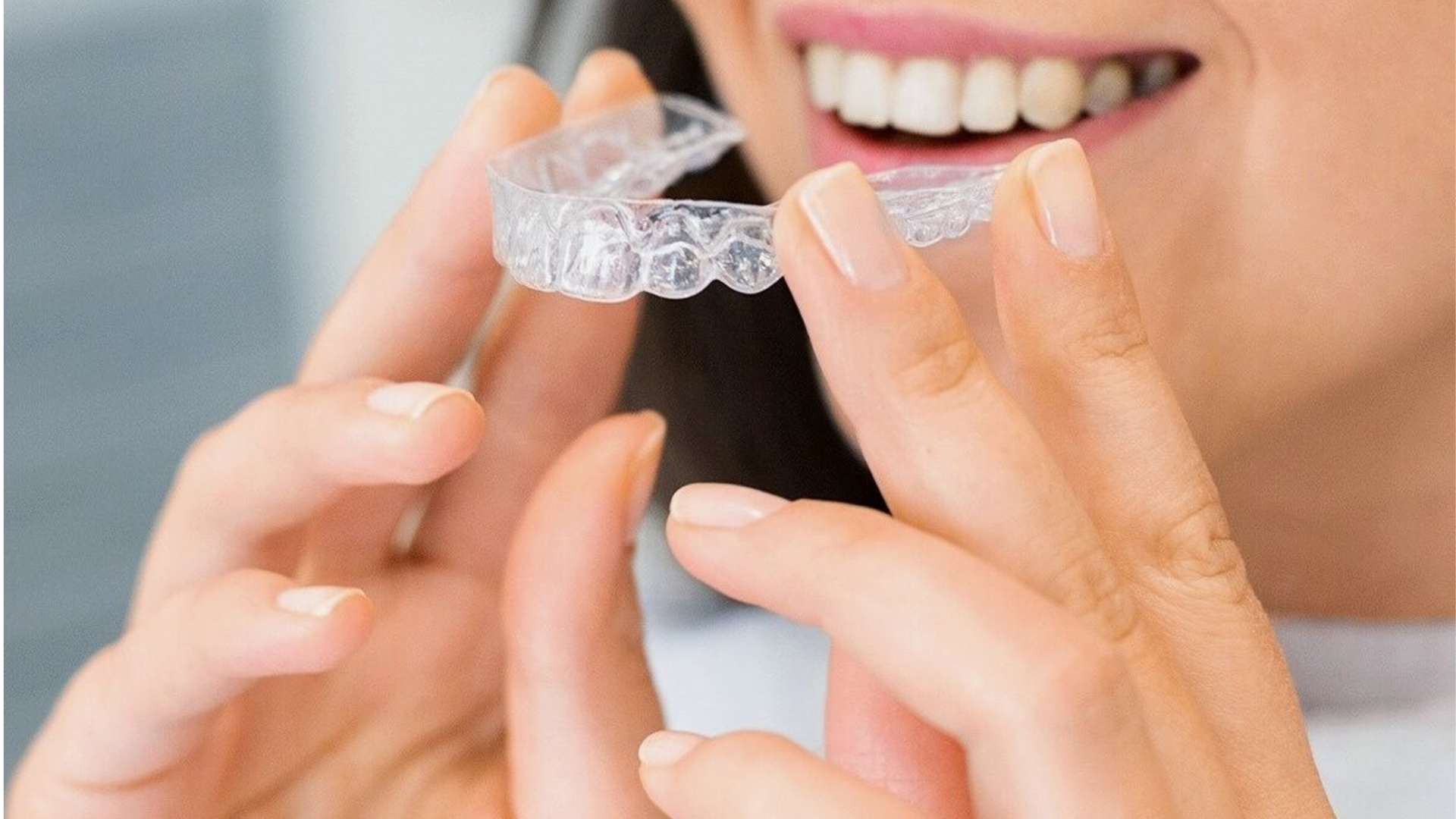
Invisalign aligners offer a highly discreet and comfortable alternative to traditional metal braces, but their success depends heavily on patient compliance. Common mistakes like missing daily wear-time targets, poor tray hygiene, and skipping dental check-ins can stall your progress, warp your aligners, and significantly lengthen your treatment timeline.
Key Takeaways
- The 22-Hour Rule: Clear aligners must remain in your mouth for 20 to 22 hours daily to maintain continuous, accurate tooth movement.
- Hygiene Matters: Failing to brush before reinserting trays traps dangerous bacteria, accelerates enamel decay, and permanently stains the plastic.
- Keep Appointments: Regular six-to-eight-week check-ins allow your provider to verify that your teeth are tracking as planned.
The Reality of Clear Aligner Treatment
Clear aligners have completely transformed orthodontic care across Los Angeles. Patients can now achieve beautifully straight smiles without the structural hassle of brackets, wires, or painful monthly tightening sessions.
The clinical promise is incredibly compelling. You receive clear, removable aligners engineered to shift your teeth into position discreetly, comfortably, and on a timeline that seamlessly fits a busy adult lifestyle.
However, clear aligner therapy is an active partnership between patient and provider. Unlike fixed braces that work automatically, Invisalign requires deep daily compliance, excellent habits, and a level of consistency that is surprisingly easy to disrupt.
At D037 Dr Joyce Family & Cosmetic Dentistry, we see firsthand how minor daily slips compound over time. Identifying these clinical blind spots early keeps your treatment moving efficiently without unexpected mid-course corrections.
1. Falling Short of the 22-Hour Daily Wear Goal
This is the most frequent compliance failure in orthodontic therapy by a wide margin. Aligners must stay in the mouth for 20 to 22 hours every single day, coming out only for meals, oral hygiene, and drinking hot or colored fluids.
When trays are left out for extended lunches, social hours, or television sessions, teeth lose the constant guiding pressure they receive. Without that structural stimulus, the movement stalls bone remodeling and causes subsequent trays to misalign.
| Tracking Metric | Daily Wear Time | Clinical Outcome |
|---|---|---|
| Optimal Target | 22 Hours | Continuous, predictable tooth movement |
| Optimal Target | 22 Hours | Continuous, predictable tooth movement |
| Compliance Failure | 16 Hours or less | Stalled progress and aligner misalignment |
Consistently track your daily wear hours using a smartphone timer app. Treat this daily baseline window as a non-negotiable medical prescription rather than a flexible lifestyle guideline.
2. Moving to New Trays Ahead of Schedule
Eager to accelerate their results, some patients step up to their next set of aligners days ahead of schedule. They assume that if a tray feels loose or fully comfortable, it has finished its job.
This assumption disrupts the biological remodeling process. The bone and soft tissues surrounding your dental roots require adequate time to stabilize after a shift before the next phase of physical pressure begins.
Forcing a new tray on teeth that haven't fully tracking creates compounding misalignment errors. This often forces your dentist to order expensive mid-course refinements or require you to backtrack to previous trays.
3. Damaging Trays with Poor Aligner Hygiene
Trays sit directly against your enamel and gum tissue for most of the day. Neglecting proper sanitation turns the plastic into a dark breeding ground for harmful oral bacteria.
Poor cleaning habits cause foul breath, tray discoloration, accelerated plaque buildup, and localized gum inflammation. It also ruins the aesthetics of your treatment, turning completely clear aligners into cloudy, yellowish trays.
Common Cleaning Blind Spots
- Hot Water Rinsing: Scalding or boiling water permanently warps the medical-grade thermoplastic material, destroying the aligner’s precise fit.
- Abrasive Toothpastes: Standard toothpaste contains microscopic abrasives that scratch the plastic surface, creating tiny grooves that harbor bacteria.
- Colored Soaks: Soaking your trays in colored mouthwash will permanently stain the material, instantly destroying its invisible profile.
4. Eating or Drinking Without Removing Aligners
Snacking or enjoying a morning beverage with your aligners in place seems like a minor shortcut. In reality, it causes immediate mechanical and chemical damage to the orthodontic appliances.
Chewing forces exert intense pressure on the thin plastic, causing it to crack, chip, or split during occlusal loading. Furthermore, hot beverages like coffee or tea distort the tray's shape, rendering its engineering ineffective.
The social and professional lifestyles around Westwood, Brentwood, and West Los Angeles involve frequent coffee meetings and working lunches. These environments make it incredibly easy to slip into risky habits for convenience.
The Solution: Always carry your storage case in your pocket or bag. Make it a strict habit to pop your trays out before consuming anything other than plain, room-temperature water.
5. Skipping Post-Meal Brushing and Flossing
Aligners create a tight, unyielding seal directly over your teeth. If you put your trays back in without brushing after a meal, you trap food debris and sugars directly against your enamel.
This enclosed environment blocks your saliva—the body's natural defense mechanism—from washing away acids and minerals. This lack of exposure accelerates tooth decay, triggers gingivitis, and creates permanent, unsightly white spot lesions from rapid enamel demineralization.
Investing time and resources in straightening your teeth only to end up with preventable cavities or enamel scarring is deeply frustrating.
6. Postponing Routine Dental Check-In Appointments
Invisalign tracking requires a physical evaluation by your dentist every 6 to 8 weeks. These monitoring appointments are vital checkpoints where your provider verifies that your teeth are moving exactly as your digital model predicted.
Skipping or repeatedly rescheduling these visits creates dangerous blind spots in your clinical oversight. A single tooth that fails to rotate or track properly can pass completely unnoticed for months without an expert eye.
Catching a tracking error early requires a simple, quick adjustment. Leaving it unaddressed for half a year can derail your entire treatment plan, requiring extensive, time-consuming diagnostic rescans and reconstruction.
7. Neglecting Smart Attachments and Elastics
Modern clear aligner plans often utilize tiny, tooth-colored composite bumps called attachments that are bonded directly onto specific teeth. These attachments give the smooth plastic trays the necessary physical leverage to execute complex rotations.
[ Aligner Tray ] --> Applies engineered vector force || (🝔 Attachment) --> Bonded composite ridge provides leverage || [ Tooth Crown ] --> Rotates safely into ideal alignment
If you do not fully seat your aligners over these small attachments, the plastic cannot exert targeted force vectors. Similarly, forgetting to wear prescribed orthodontic elastics stops crucial bite corrections from occurring.
Use a chewable aligner seating tool when inserting trays to ensure full engagement over attachments. Wear your elastics exactly as prescribed by your clinical team.
8. Stopping Retainer Use Once Treatment Ends
The day your final aligner tray comes out is a massive milestone, but it is not the final step of your orthodontic journey. Your teeth possess a natural, powerful tendency to drift back toward their old, crooked positions.
This relapse is driven by the elastic memory of the surrounding periodontal ligaments and daily chewing forces. Wearing a custom retainer—initially full-time, then transitioning to nightly wear—is the only way to lock your new smile permanently into place.
Failing to commit to long-term retainer wear often results in noticeable shifting within just a few months. This drift can undo years of hard work and require an entire second round of alignment therapy to correct.
FAQs About Invisalign in Westwood
How can I tell if my aligners are tracking correctly?
Your trays should fit completely flush against your teeth, with no visible air gaps between the plastic and the biting edges of your teeth. If you notice a widening space, your teeth are not tracking properly.
What should I do if I lose an aligner tray while out in Westwood?
Do not leave your teeth unbraced. Put your previous set of trays back in to preserve your progress, and call your dentist immediately to determine if you need a replacement.
Can I drink clear sparkling water or seltzers with trays in?
It is highly discouraged. Many clear-flavoured waters contain hidden citric acids that can get trapped in the trays, quietly eroding your dental enamel over hours of exposure.
Your Westwood Aligner Specialists
Expert Orthodontic Guidance
Achieving a flawless smile requires clinical expertise, advanced digital planning, and dedicated patient support. At Dr. Joyce Dentistry, we guide our patients through every single stage of their clear aligner experience, providing clear communication and proactive tracking to ensure your treatment finishes on time.
Our modern practice serves patients across the 90024 and 90049 zip codes, providing premium dental care to families throughout Westwood, Brentwood, Century City, and West Los Angeles.
Begin Your Smile Transformation
The bottom line is that keeping your treatment on track doesn't require a lifestyle overhaul—it just requires the right daily habits. By avoiding these common aligner mistakes, you protect your investment and efficiently secure a straight, healthy smile.
Ready to explore your options for a straighter smile?
Schedule your private consultation with Dr. Joyce Dentistry today to build your custom clear aligner plan.
Disclaimer: The information provided on this page is for general educational purposes only and is not intended to replace professional dental advice, diagnosis, or treatment. Invisalign treatment outcomes, timelines, and costs vary based on individual needs and oral health conditions. A consultation with a licensed dentist is required to determine whether Invisalign is appropriate for you. Always follow the guidance of your dental professional regarding your specific treatment plan.