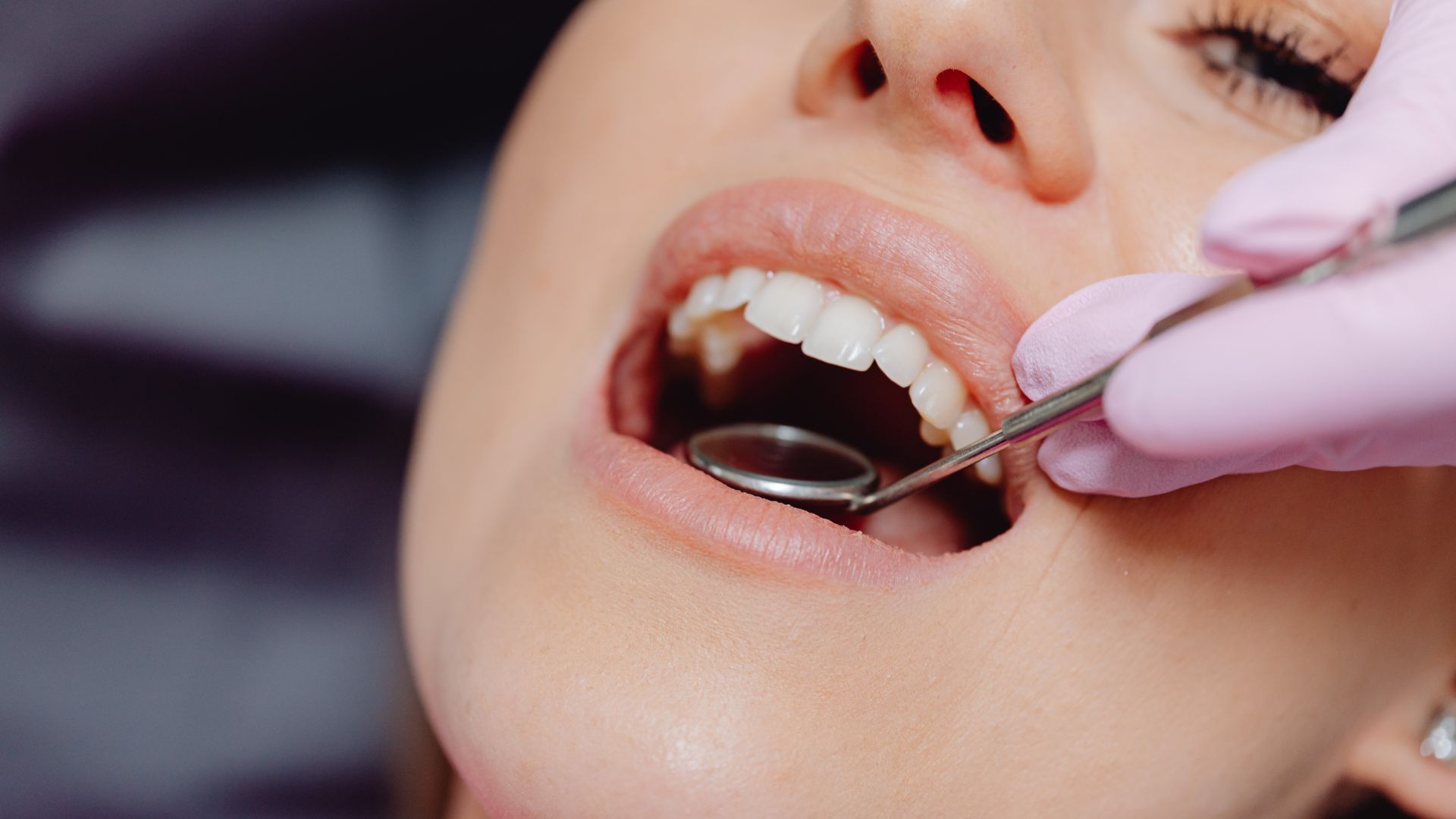
What Are Dental Inlays and Onlays? Do you need them?
Understanding Dental Inlays and Onlays
Definition and Purpose
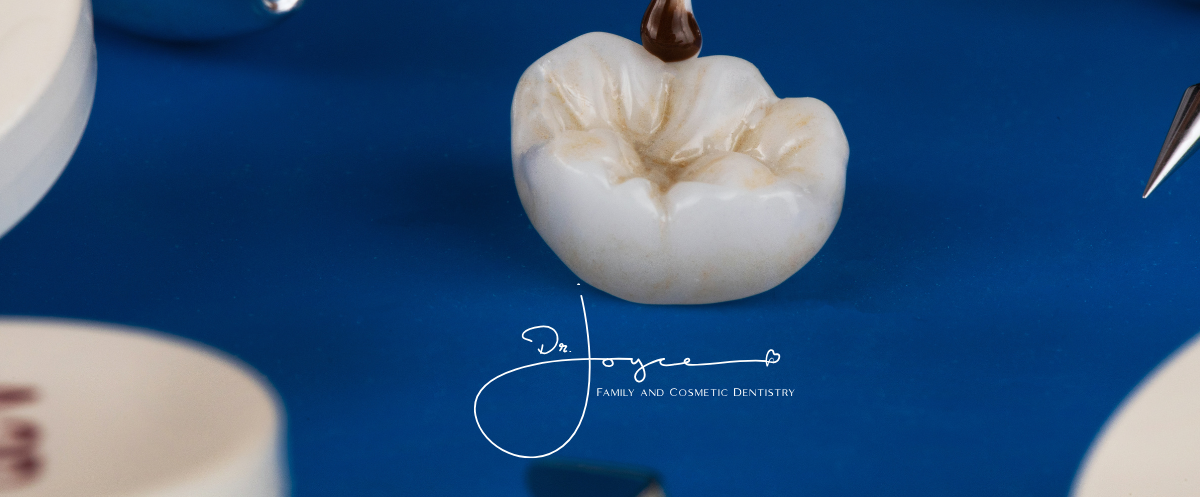
Dental inlays and onlays are types of restorations used to repair teeth that have moderate decay or damage, but not to the extent that a full crown is needed. Think of them as a middle ground between a filling and a crown. Inlays fit within the grooves of a tooth, while onlays cover one or more cusps, providing more extensive coverage.
Materials Used in Inlays and Onlays
These restorations can be made from a variety of materials, each offering different benefits:
- Porcelain: Known for its natural look and strength, making it a popular choice.
- Composite Resin: Blends well with the natural tooth color and is more affordable.
- Gold: Offers durability and longevity, though it stands out more visually.
Differences Between Inlays, Onlays, and Fillings
While they might seem similar, inlays, onlays, and fillings serve different purposes:
- Inlays: Fit snugly within the tooth's grooves, covering the area between the cusps.
- Onlays: Extend over one or more cusps, offering more coverage than inlays.
- Fillings: Generally used for smaller cavities and are applied directly into the cavity in a single visit.
Inlays and onlays are often preferred when you need something more robust than a filling but less extensive than a crown. They provide an excellent balance of strength and aesthetics, preserving the natural structure of your tooth while offering a durable solution.
Benefits of Choosing Inlays and Onlays
Durability and Longevity
Inlays and onlays are known for their remarkable strength and durability. They are crafted to withstand the daily wear and tear that our teeth endure. Unlike regular fillings, these restorations are designed to last for many years, often outlasting traditional options.
- Strong Materials: Made from robust materials like porcelain or composite resin, they can endure chewing and biting forces without easily cracking or chipping.
- Long Lifespan: With proper care, inlays and onlays can last up to 10-15 years, making them a long-term solution for dental restoration.
- Resistance to Wear: These restorations are less prone to wear compared to traditional fillings, maintaining their integrity over time.
Opting for inlays or onlays means investing in a solution that not only addresses immediate dental concerns but also offers a lasting fix.
Aesthetic Advantages
Inlays and onlays offer a natural look that blends seamlessly with your teeth. They are custom-made to match the color and shape of your natural teeth, ensuring a discreet and appealing finish.
- Color Matching: The materials used can be tinted to match your tooth color, providing a uniform appearance.
- Natural Shape: Crafted to fit perfectly, they mimic the natural contours of your teeth.
- Stain Resistance: These restorations resist staining better than traditional fillings, keeping your smile bright.
Choosing inlays or onlays ensures that your dental work is not only functional but also enhances the overall look of your smile.
Preservation of Natural Tooth Structure
One of the standout benefits of inlays and onlays is their ability to preserve more of your natural tooth structure. They require less removal of your tooth material compared to crowns, which means more of your natural tooth is left intact.
- Minimal Tooth Reduction: Only the damaged or decayed part of the tooth is removed, preserving the healthy portion.
- Strengthens Tooth: By fitting snugly into the tooth, they help maintain its structural integrity.
- Less Invasive: The procedure is less invasive than getting a full crown, which can be beneficial for overall dental health.
By choosing inlays or onlays, you're opting for a conservative approach that maintains your dental health while addressing specific issues.
Who Should Consider Inlays and Onlays?
Ideal Candidates for Inlays and Onlays
Inlays and onlays are often recommended for individuals who have moderate tooth decay or damage that is too extensive for a simple filling but not severe enough to require a crown. These dental restorations are perfect for those who want to preserve as much of their natural tooth structure as possible. They are also a great option for people who grind their teeth or have a history of cracking fillings, as they are designed to withstand significant pressure.
Signs You May Need Inlays or Onlays
There are several indicators that you might need an inlay or onlay:
- Persistent pain or discomfort in a tooth that doesn't improve with regular fillings.
- A fractured or broken tooth that affects your bite or causes pain.
- Large cavities that compromise the integrity of the tooth, making it weak.
These signs suggest that the tooth might benefit from the added strength and support that inlays and onlays provide.
Consulting with a Westwood Cosmetic Dental Specialist
Before deciding on inlays or onlays, it’s important to consult with a dental specialist. They will evaluate your dental health and discuss the best treatment options for your specific situation. It's crucial to have a thorough examination to determine whether this type of restoration is suitable for you.
Remember, every dental situation is unique, and what works for one person might not be the best for another. A professional consultation can help guide you in making the right choice for your oral health.
Cost and Insurance Considerations
Factors Influencing the Cost
When you're thinking about getting dental inlays and onlays, it's smart to understand what might affect the price. Several factors can impact the cost:
- Material Choice: The type of material you choose, like porcelain or composite resin, can change the price. Porcelain tends to be pricier but offers a more natural look.
- Tooth Condition: The severity of the damage or decay being repaired can influence the cost. More extensive work might mean higher expenses.
- Dentist's Expertise: The experience and skill level of the dentist can also play a role. More experienced professionals might charge more for their services.
It's important to discuss all these factors with your dentist so you can budget accordingly and avoid any surprises.
Insurance Coverage for Inlays and Onlays
Navigating dental insurance can be tricky. Not all plans cover inlays and onlays, and those that do might only cover a portion of the cost. Here are some things to keep in mind:
- Check Your Plan: Review your insurance policy to see if inlays and onlays are covered.
- Pre-approval: Some insurance companies require pre-approval before they agree to cover the procedure.
- Percentage Covered: Even if covered, insurance might only pay a percentage, leaving you with some out-of-pocket expenses.
Choosing the Right Westwood Cosmetic Dental Provider
Evaluating Experience and Credentials
Finding the right dentist in Westwood for cosmetic procedures means looking at their experience and credentials. You want someone who knows their stuff, especially with inlays and onlays. Check if they have the proper certifications and how long they've been practicing. It's also a good idea to see if they specialize in cosmetic dentistry or if it's just a part of their general practice.
Reading Patient Reviews and Testimonials
Patient reviews can tell you a lot about a dental provider. Look for feedback on their professionalism, how comfortable they make patients feel, and the results of their cosmetic work. A few things to consider:
- Are patients satisfied with their inlays and onlays?
- Do they mention the dentist's attention to detail?
- Is there a pattern of positive or negative experiences?
Scheduling a Consultation
Before making a decision, schedule a consultation. This is your chance to ask questions, see the office, and meet the team. Pay attention to how they communicate and whether they take the time to explain the procedure. Feeling comfortable and understood is key.
Choosing a dentist is a personal decision, but doing a bit of homework can make all the difference in your satisfaction with the results.
This article is for informational purposes only and does not constitute medical, dental, or professional health advice. Always seek the guidance of a qualified dentist or healthcare provider regarding any questions you may have about dental treatments or procedures.