How Long Do Dental Implants Last? A Comparison of Inlays, Onlays, and Veneers
Discover how long dental implants last. Compare their longevity to inlays, onlays, and veneers. Discover the importance of maintenance and the factors that impact dental implants in Westwood.
Understanding Dental Implant Longevity
Factors Influencing Dental Implant Lifespan
When you get a dental implant, you're making a long-term investment in your smile and oral health. But how long do they actually stick around? It's not a simple number because many factors contribute to it. The lifespan of a dental implant is influenced by a combination of patient-specific factors, the quality of the implant and placement procedure, and ongoing care. Think of it like owning a car; how long it lasts depends on how you drive it, how often you get it serviced, and the initial quality of the vehicle itself.
Several key elements contribute to how long your implants will serve you well:
- Bone Quality and Quantity:
The implant needs a solid foundation. If there isn't enough healthy bone or if the bone quality is poor, it can affect how well the implant integrates and stays stable over time.
- Patient's Overall Health: Conditions such as uncontrolled diabetes, autoimmune diseases, or certain medications can impact healing and the body's ability to support the implant.
- Habits:
Smoking is a big one. It can slow down healing, increase the risk of infection, and put stress on the bone supporting the implant. Excessive alcohol consumption can also have negative effects.
- Bruxism (Teeth Grinding): If you grind your teeth, especially at night, it can put a significant amount of force on the implant and the surrounding structures, potentially leading to issues.
The integration of the implant with your jawbone, a process known as osseointegration, is the foundation of its success. If this initial bond is strong and the surrounding bone remains healthy, the implant has a much better chance of lasting for many years.
The Role of Oral Hygiene in Implant Durability
Just like your natural teeth, dental implants require diligent cleaning. Neglecting oral hygiene is one of the quickest ways to reduce the lifespan of an implant. Plaque and bacteria can accumulate around the implant, leading to inflammation and bone loss, similar to the progression of gum disease around natural teeth. This condition, often referred to as peri-implantitis, can compromise the implant's stability.
Here’s what good hygiene looks like for implants:
- Daily Brushing:
Use a soft-bristled toothbrush and clean all surfaces of the implant crown and the gumline. Special implant brushes can be helpful.
- Flossing:
Use implant-specific floss or tape to clean between the implant crown and adjacent teeth. Regular floss can sometimes fray or be too abrasive.
- Interdental Brushes: These are ideal for cleaning around the base of the implant crown, especially when there's a slight gap.
Professional Dental Care and Implant Maintenance
While you're the primary caregiver for your implants at home, regular check-ups with your dentist are non-negotiable. These visits are where potential problems can be caught early, before they become serious.
During these appointments, your dental team will:
- Inspect the Implant: Check for any signs of wear, damage, or loosening.
- Examine Gum Health: Look for signs of inflammation or infection around the implant.
- Assess Bite: Ensure your bite is balanced and not placing undue stress on the implant.
- Professional Cleaning: Perform a more thorough cleaning than you can at home, removing hardened plaque and tartar.
Think of these professional cleanings and check-ups as essential maintenance. Skipping these appointments is a risk you don't want to take when it comes to something as important as your dental implants.
Comparing Dental Implants to Other Restorations
Understanding how dental implants compare to other common restorations, such as inlays, onlays, and veneers, can help you make the right choice for your smile.
| Restoration Type | Primary Function | Typical Lifespan (Avg.) | Key Use Case |
|---|---|---|---|
| Inlays | Repairs the chewing surface (within cusps) | 5 to 15 years | Mild to moderate decay where a simple filling is insufficient. |
| Onlays | Repairs the chewing surface and one or more cusps | 10 to 15 years | Restoring significant damage while preserving more natural tooth structure than a full crown. |
| Veneers | Cosmetic correction (front surface coverage) | 10 to 15 years | Improving appearance, covering staining, chips, or minor gaps. |
| Dental Implant (Crown) | Full tooth replacement (from root to crown) | 10 to 20 years | Replacing missing teeth permanently. |
Inlays, Onlays, and Veneers
Inlays, onlays, and veneers are all excellent methods for repairing or improving a damaged natural tooth. The 10- to 15-year average lifespan for the visible portion of these restorations is a testament to the advancements in modern materials and techniques. However, they are fundamentally different from implants because they are built on an existing tooth, rather than being placed in the jawbone.
Longevity of Dental Implants: A Detailed Look
The Components: Post vs. Crown
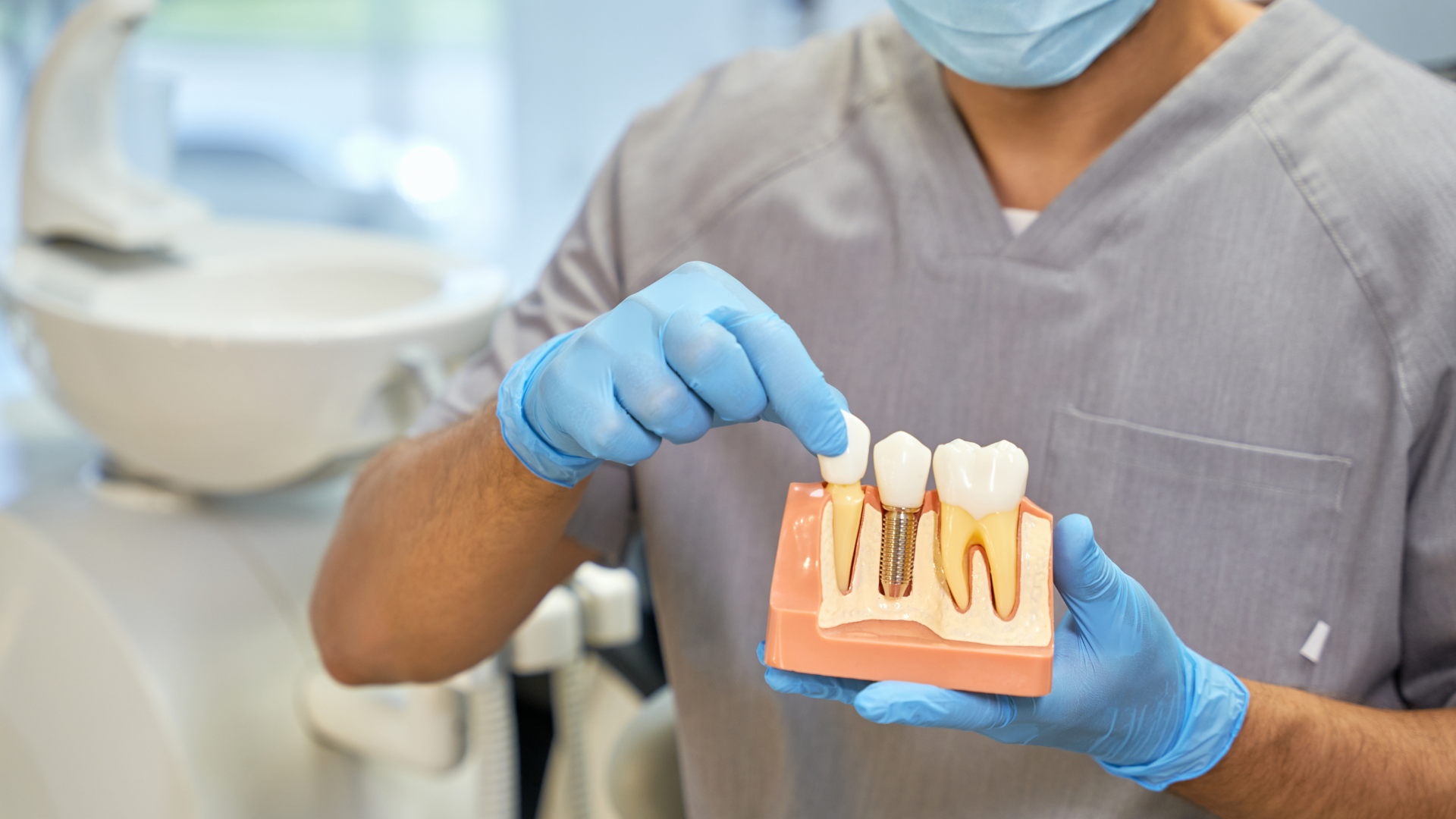
When we discuss how long dental implants last, it is critical to distinguish between the two main components:
- The Implant Post (The Root):
This is the titanium screw surgically placed into the jawbone. With successful osseointegration and diligent care, the implant post is designed to last a lifetime and rarely needs replacement.
- The Crown (The Visible Tooth):
This is the porcelain or zirconia restoration attached to the post. As the component subjected to daily biting and chewing forces, the crown typically lasts 10 to 20 years before it may need replacement due to wear, chipping, or loosening. This lifespan is comparable to other dental restorations.
This long-term success rate (95-98% in the lower jaw; 90-95% in the upper jaw) is why dental implants are considered the gold standard for tooth replacement.
Potential Complications Affecting Implant Lifespan
While implants are generally very successful, a few issues can shorten their lifespan:
- Peri-implantitis: Inflammation and bone loss around the implant (similar to gum disease).
- Mechanical Failures: The abutment or crown can break or loosen over time.
- Underlying Health Issues:
Uncontrolled diabetes or bone disorders can sometimes impact integration and longevity.
These complications are usually manageable, especially if caught early through regular check-ups.
When Do Dental Implants Need Replacement?
Signs of Implant Failure
It's important to monitor for signs that an implant is having trouble:
- Gum Recession: The tissue pulls away, exposing the implant abutment.
- Pain or Discomfort: Inflammation or infection in the surrounding tissues.
- Looseness: The implant feels unstable—a serious red flag indicating bone loss.
- Changes in Bite: The crown shifting or feeling "off."
The Process of Replacing Failed Implants
If an implant fails, replacement involves several steps:
- Removal: Carefully removing the existing implant.
- Bone Grafting (if needed): Rebuilding the jawbone structure for a new foundation.
- Healing Period: Time required for the bone to integrate and strengthen.
- Placement of a New Implant: Surgical placement of a new, adjusted implant.
- Restoration: Attaching a new crown after successful integration.
Considering options like dental implants in Westwood can be part of a long-term strategy for replacing failed restorations.
Choosing the Right Restoration for Lasting Results
Selecting the best option for your dental needs is a big decision. It requires assessing your needs (Are you replacing a missing tooth or repairing a damaged one?) and consulting specialists.
Talking with dental professionals is the most important step. They can explain the pros and cons of each type of restoration, including their expected lifespans and the necessary care required. Investing in high-quality dental implants, utilizing premium materials, and entrusting the placement to a skilled dentist are key to maximizing the lifespan of your dental implants.
Schedule Your Implant Consultation
Ready to invest in the longest-lasting solution for missing teeth? Contact Dr. Joyce Family & Cosmetic Dentistry today to discuss your options for permanent tooth replacement.
Disclaimer: The longevity statistics (lifespans) provided in this article are general averages based on industry research and successful outcomes. Individual results may vary significantly based on patient health, specific dental anatomy, adherence to hygiene protocols, and lifestyle factors (such as smoking or teeth grinding). Only a professional consultation with Dr. Joyce can determine the predicted success and exact required maintenance for your dental restorations.